


Planning to explore Cusco but only have two days? It can feel like a lot to pack in, but don’t worry—you’ve got this. This city is bursting with history, delicious flavors, and stunning views at every turn.
Once the heart of the Inca Empire, it’s also enhanced with charming colonial treasures.
Need Quick & Easy Trip Planning? We Can Help..


Free Itineraries Based on your Schedule & Budget
Booking Assistance for Hotels, Flights and Transfers
24/7 Customer Support & Personal Travel Advisors
Fitting all that magic into 48 hours might sound tricky. But here’s some good news—it’s totally doable! Imagine yourself wandering through Plaza de Armas or standing in awe at Sacsayhuamán.
You’ll browse lively local markets, enjoy authentic Peruvian dishes, and immerse yourself in Andean culture without missing out.
This guide will take you through two unforgettable days step by step. Let’s make every moment count!
Cusco in 48 Hours Table of Contents
Cusco in 48 Hours Key Takeaways
- Cusco’s highlights include Plaza de Armas, Saqsaywaman Fortress, Qorikancha, and Cristo Blanco—all rich in history and breathtaking views.
- Entry fees for top attractions like Cusco Cathedral ($6.63), Qorikancha ($4), and Saqsaywaman ($18.72) are budget-friendly for travelers.
- Local markets like San Pedro Market and artisan spots offer souvenirs, snacks, textiles, and a chance to support local communities while shopping or dining.
- High altitude precautions like drinking water and coca tea help acclimate; avoid heavy activity on Day 1 to stay comfortable.
- May–September is the best time to visit due to clear skies; major festivals like Inti Raymi in June attract crowds—book early!

Day 1: Discovering Cusco’s Historic Charm
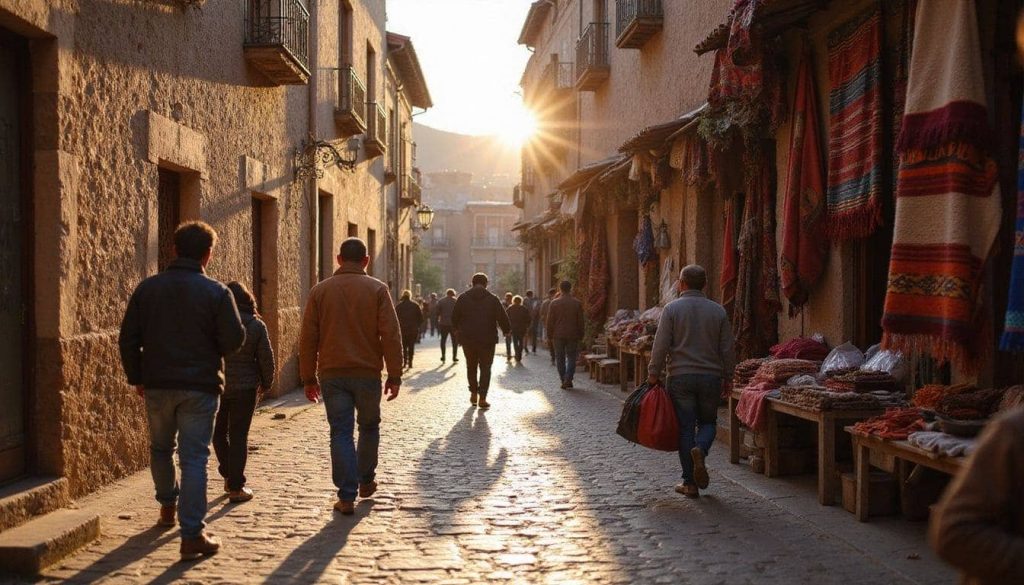
Cusco greets us with stories etched in stone, colors spilling from every corner, and the warm buzz of life. From ancient temples to winding streets, this city feels like stepping into a living museum.
Start the Day at Plaza de Armas and Visit Cusco Cathedral
Plaza de Armas buzzes with life early in the day. Grand colonial buildings stretch around us, showing off Spanish history. This square feels like a gateway to ancient Cusco, Peru. The Cathedral of Santo Domingo or Cusco Cathedral stands tall here and captures our full attention.
For just S/25 ($6.63 USD), we step inside its cool interior filled with ornate baroque styles and Andean influences.
We see intricate altars layered in gold leaf and paintings that tell old stories of conquest and faith. A Religious Circuit ticket for S/30 ($7.95 USD) offers access to other churches nearby too! Nearby, stone arches like Arco de Santa Clara frame picture-perfect views anytime we look up or pause during our walk.

Explore the Qorikancha (Temple of the Sun)
Next, we head to Qorikancha, once the spiritual center of the Inca Empire. This temple, also called the “Temple of the Sun,” shows off incredible Incan stonework and engineering. Its walls were said to be covered in gold sheets during its prime.
Spanish conquerors later built Santo Domingo Church on top of it, a striking mix of colonial and ancient architecture.
The entrance fee is just S/.15 (around $4 USD), making it affordable for all travelers. Located right across from Palacio del Inka hotel, this spot is easy to find. Walking through its halls feels like stepping back in time.
The intricate designs reveal how advanced Andean civilizations were before European contact. It’s open daily from 6 AM to 5:30 PM; mornings are less crowded if you prefer quieter visits!

Enjoy Breakfast or Snacks at San Pedro Market
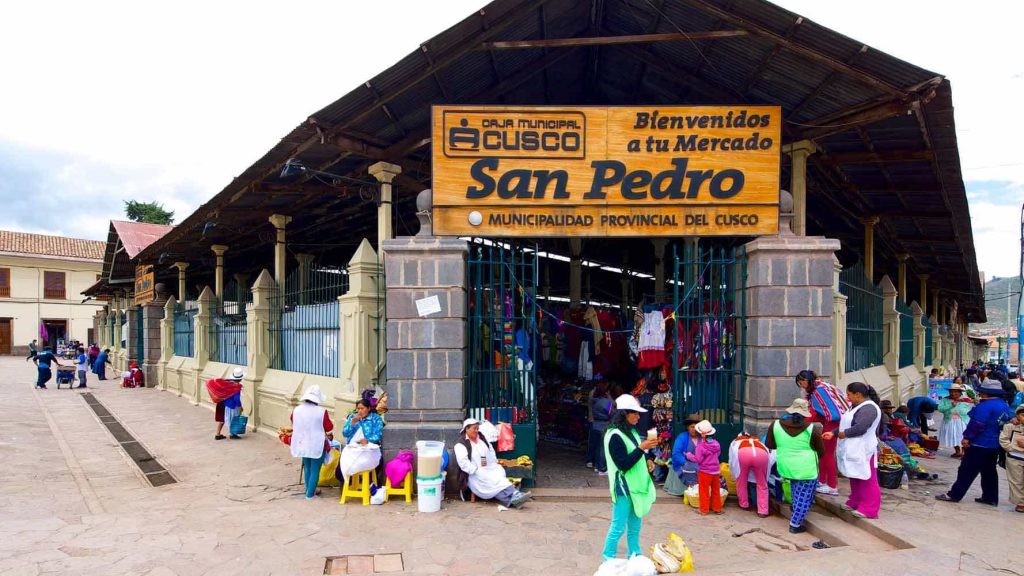
After exploring Qorikancha, we can head to San Pedro Market for a tasty break. This bustling spot opens daily at 7 AM and offers endless choices of Peruvian snacks and breakfast treats.
We might grab empanadas fresh from the oven or try quinoa bars packed with energy. Coca candies are also perfect if we need a quick boost.
The market is more than just food stalls. There’s also a craft section where locals sell handwoven textiles, alpaca wool items, and small souvenirs. Cash works best here, but don’t worry; there are ATMs close by.
Let’s not forget to brush up on our bargaining skills too! It adds extra fun while shopping or snacking in this lively place full of culture and buzz.
Stroll Through the San Blas Neighborhood
The San Blas neighborhood feels like stepping into another era. Its narrow, cobblestone streets twist and turn, lined with whitewashed walls and colorful doors. Small markets and craft shops dot the area, offering handmade ceramics, textiles, and paintings from local artisans.
This is the perfect place to find souvenirs while supporting the community.
We soaked in the relaxed vibe at Mercado de San Blas, opening daily from 6 AM to 4 PM except Sundays. Fresh produce stalls filled the air with a mix of sweet fruits and Andean herbs.
Nearby cafes tempted us with hot chocolate or fresh empanadas. For a quiet escape from Cusco’s busy Plaza de Armas, this spot hit all the right notes!
Day 1 Afternoon: Immersing in Local Culture
Dive deeper into Cusco’s rich arts and traditions, where every corner tells a story, and the local flavors leave your taste buds dancing!
Visit the Museo de Arte Precolombino
The Museo de Arte Precolombino offers a glimpse into ancient Cusco. Located near the Plaza de Armas, this museum displays over 400 artifacts from Andean civilizations. We can admire pottery, stone carvings, and intricate metal pieces here.
The gold and silver rooms shine with treasures crafted centuries ago by skilled hands.
Entry costs S/.20 (about $5.37 USD), making it affordable for travelers. It is open daily from 8 AM to 10 PM, so there’s plenty of time to explore at your pace. The colonial-era building adds charm to the experience while teaching us about pre-Columbian art and culture in Peru’s history-rich city of Cusco.

Shop for Handcrafted Goods at Local Artisan Markets
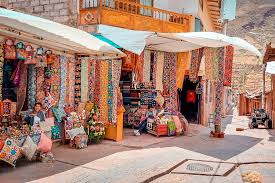
Centro Artesanal Cusco is a treasure trove of textiles, jewelry, and ceramics. We love browsing these stalls for authentic Andean weaving and pottery. It’s also an excellent spot for last-minute gifts that support local artisans.
Don’t be shy about haggling; it’s common here, and many vendors prefer cash.
The Centro de Textiles Tradicionales del Cusco (CTTC) offers stunning traditional fabrics while helping indigenous communities thrive. For a vibrant experience outside the city center, head to Pisac Market in the Sacred Valley.
Its craft section brims with handmade goods, from intricate designs to practical keepsakes. Each purchase helps preserve Peru’s rich heritage!
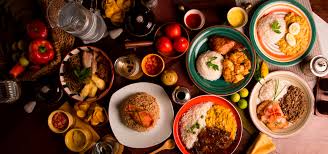
Experience a Traditional Dinner and Peruvian Show
After exploring local artisan markets, we can immerse ourselves in Peruvian culture through dinner and a show. Many spots in Cusco combine fine dining with traditional music or dance performances.
Pachapapa, Tunupa Restaurant, and Inka Grill are excellent choices for an Andean experience.
We can try dishes like cuy or lomo saltado paired with a pisco sour. Centro Qosqo de Arte Nativo offers cultural dance shows that are lively and colorful. Most venues are best visited with reservations, especially during the evening rush.
Dinner here is more than just food; it’s a full introduction to Peru’s rich heritage and vibrant traditions!
Day 2: Exploring Inca Heritage and Scenic Views
Day 2 is packed with jaw-dropping sights and rich history. Get ready to step back in time while taking in some of Cusco’s most breathtaking landscapes!
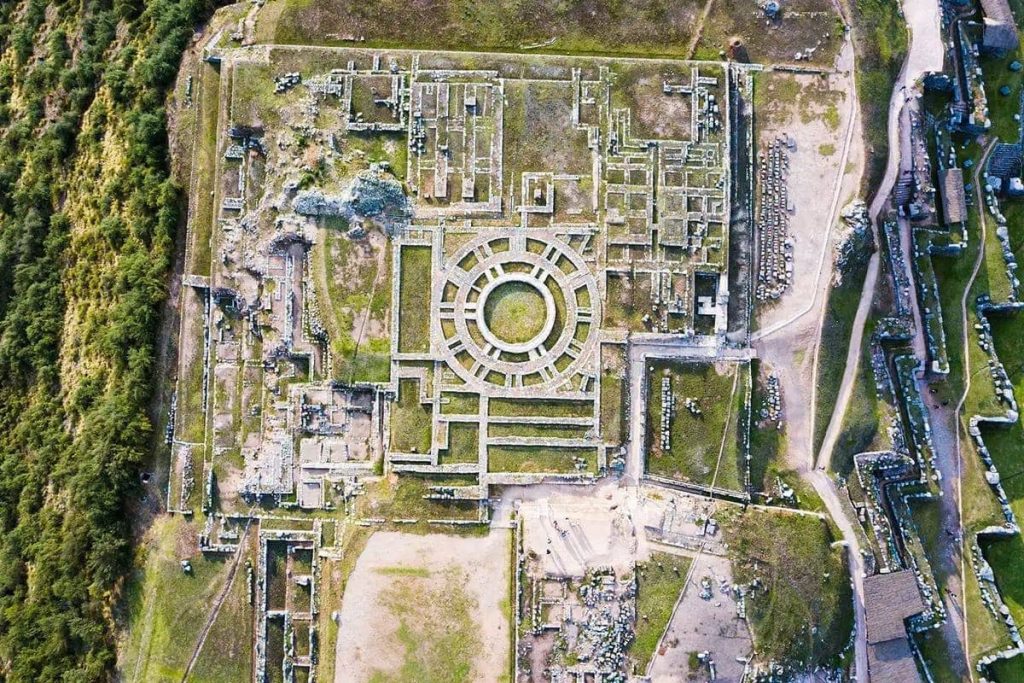
Visit the Saqsaywaman Fortress
Saqsaywaman is a must-see for history lovers. This massive fortress sits just outside Cusco, offering breathtaking views of the city below. The entry fee is S/70 (about $18.72 USD), and it’s open from 8 AM to 5 PM daily.
Getting here is easy by taxi or as part of a guided tour. Its giant stones, some over 100 tons, showcase brilliant Inca engineering with their dry stone construction that has stood the test of time.
The site played a critical role in protecting the ancient Inca capital during times of conflict. It’s also home to the vibrant Inti Raymi festival held every June, celebrating Incan culture and traditions.
Saqsaywaman feels alive with stories from Peru’s past while giving us an unmatched view of Cusco’s beauty today. From here, we head toward Cristo Blanco for stunning panoramic sights!
Marvel at the Cristo Blanco Statue for Panoramic Views
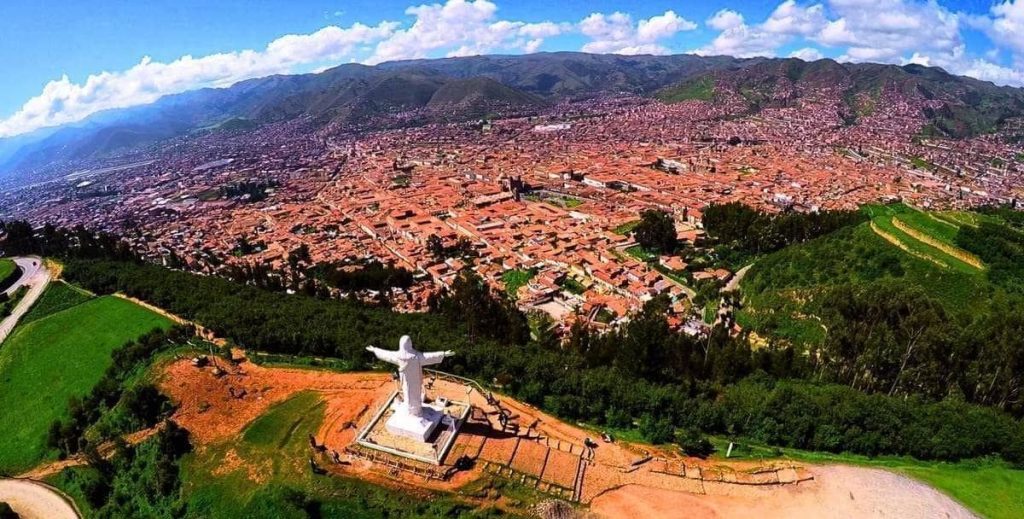
The Cristo Blanco statue stands tall on a hill, gifting us sweeping views of Cusco below. Its bright white figure can be spotted from almost anywhere in the city. It’s open 24/7, and there’s no cost to visit.
This spot is perfect for sunset photos or just soaking up the view after visiting Saqsaywaman nearby. The statue was a gift from Arabic Palestinians who made Cusco their home, making it more meaningful than expected.
At night, soft lights illuminate it, creating a magical glow across the city.
Discover the Twelve-Angled Stone at Hatunrumiyoc
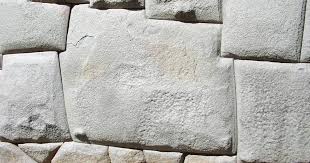
We can find the Twelve-Angled Stone on Hatunrumiyoc Street, just a short walk from Plaza de Armas. This Inca masterpiece is famous for its flawless design and fit with other stones in the wall.
There’s no need for mortar here; the precision speaks volumes about Incan stonework skills. It forms part of an ancient wall that now supports a colonial-era palace.
Travelers flock to this site day and night as it’s free and open 24/7. The street is easy to spot, often bustling with city walking tours or curious visitors taking photos of this iconic landmark.
Its sharp angles are fascinating up close! From here, we’ll head toward more adventures in Cusco’s rich heritage and scenic spots nearby.
Day 2 Afternoon: Adventure and Relaxation
Let’s add some fun and flavor to the afternoon! There’s plenty to do, from hands-on workshops to soaking in Cusco’s rich history.
Take a Chocolate Workshop at ChocoMuseo
We can step into ChocoMuseo and learn the magic of Peruvian cacao. Their chocolate workshops run daily from 9 AM to 7 PM. For S/.99 (about $26 USD), we get hands-on experience making our own chocolates.
The activity is fun for both adults and kids, making it perfect for families or friends traveling together.
The museum, located near the city center, also lets us taste some delicious local chocolates while exploring cacao’s history in Peru. It’s a treat for all senses! Workshops are popular, especially during peak season, so booking ahead is smart.
Exploring Cusco never tasted this good!

Explore the Museo Inka or Museo Casa Concha
Museo Inka holds treasures from the Inca heritage. Inside a colonial mansion near Plaza de Armas, it showcases mummies, ceramics, and ceremonial items. We watched weaving demonstrations that brought ancient textile-making to life.
The entry fee is just S/.20 ($5.34 USD), making it a budget-friendly stop.
Museo Casa Concha explores Machu Picchu’s history. It displays pottery, textiles, and artifacts tied to its discovery. Interactive exhibits tell stories about the Inca Empire’s peak and fall.
Both museums provide an easy way to connect with Andean culture before heading out for dinner at Limbus Restobar with stunning sunset views!

End with Dinner at Limbus Restobar with Sunset Views
Limbus Restobar is a must-visit spot for sunset lovers. Located at Calle Pasapakana 133, it offers stunning rooftop views of Cusco bathed in golden light. The relaxed vibe and creative Peruvian fusion dishes make it perfect after a full day of exploring.
We recommend reserving a table since the place gets busy fast. Meals range from $10 to $20, while drinks like their famous cocktails cost between $6 and $13. Watching the Andes Mountains glow as you sip on a drink is pure magic!

Practical Tips for Visiting Cusco
Stay hydrated, pack light layers, and plan your day wisely to enjoy Cusco without feeling overwhelmed—check out our tips for a stress-free trip!
Acclimate to High Altitude and Stay Hydrated
Cusco sits at 11,150 feet above sea level. High altitude can hit hard if you’re not ready. Let’s take it easy on the first day. Rest often and skip any tough hikes or heavy exercise.
Drinking plenty of water is key to staying safe and feeling good. Local coca tea or candy helps adjust too; they’re available almost everywhere.
Alcohol and smoking should wait a couple of days. They make acclimating harder. Many hotels offer oxygen tanks in case symptoms like headache, dizziness, or fatigue creep up. Taking breaks during walks also helps your body adapt better to the thin air here in ancient Cusco’s highlands!
Best Times of Year to Visit Cusco
Altitude can hit hard, but timing your trip right helps. The dry season, from May to September, brings clear skies and sunny days. It’s perfect for exploring Machupicchu or hiking trails like Salkantay and the Sacred Valley of the Incas.
June through August draws big crowds due to festivals like Inti Raymi in June. Hotels fill up fast then, so booking early saves headaches. Want fewer visitors? Try visiting during late April or October when weather stays pleasant but quieter streets make it easier to enjoy Cusco’s charm!
Transportation Tips for Getting Around the City
Getting around Cusco is easy if we plan ahead. Taxis are affordable, with rides from Alejandro Velasco Astete International Airport to Plaza de Armas costing about S/12 ($3.18). Pre-booking a taxi or arranging transport through our hotel makes airport pickup stress-free.
For budget travelers, minibuses cost just S/1 ($0.25), but handling luggage on these can be tricky.
Flights between Lima and Cusco save time, taking only 90 minutes for roughly $120. But buses work too. The trip from Puno to Cusco takes 7–8 hours and costs around $20 USD; Lima to Cusco takes 21 hours.
Once in the city, walking is ideal for exploring historic spots like Qorikancha or the Twelve-Angled Stone up close. Save bus rides for longer distances outside town!
Cusco in 48 Hours Conclusion
Spending 48 hours in Cusco is more than possible — it’s unforgettable. In just two days, you can dive into the living history of the Inca Empire, savor authentic Andean cuisine, get lost in colorful local markets, and marvel at landscapes that seem out of this world.
Every step connects you with centuries of tradition, culture, and spiritual energy. So pack your camera, your adventurous spirit, and your best smile.
Cusco is waiting. Make every moment count!
Cusco in 48 Hours FAQ
How can I explore Cusco in just 48 hours?
Focus on key sites like Sacsayhuaman, Coricancha, and the Cathedral of Cusco. Walk through ancient streets to see the Twelve Angled Stone. Save time by using Perurail if you plan to visit Ollantaytambo or Aguas Calientes.
What are must-visit spots for history lovers in Cusco?
Visit Incan temples like Puka Pukara and Inti Punku. Explore museums such as the Machu Picchu Museum to learn about Inca society and culture. Don’t miss iconic landmarks like Pachacutec’s legacy at Coricancha.
Where should I try authentic Peruvian food during my trip?
Try ceviche or other dishes made with fresh Peruvian ingredients at local restaurantes near San Cristobal or Urubamba Valley. Many menus also feature Andean specialties that showcase traditional flavors.
How do I avoid altitude sickness while visiting Cusco?
Drink coca tea, stay hydrated, and take it slow when walking uphill around areas like Vinicunca or Huayna Picchu. Give your body time to adjust before attempting strenuous hikes like the Inca Trail.
Is it possible to hike part of the Inca Trail within two days?
Yes, but choose a shorter route starting closer to Machu Picchu if time is tight. You’ll still experience breathtaking terraces, stunning views of Andean highlands, and rich cultural heritage along the way!

Angel Ponce
Ángel is a passionate traveler and cultural enthusiast with over 5 years of experience in the tourism sector in Peru. Originally trained in Administration, he is currently expanding his expertise by specializing in Software Engineering, combining his love for travel with a growing passion for technology.
Born and raised in Peru, Ángel has always been fascinated by his country's rich cultural heritage, diverse landscapes, and especially its world-renowned cuisine. His early experiences exploring Peru include climbing the majestic Pastoruri Glacier as a child—a memory that sparked his lifelong connection to the country's natural beauty. Today, he enjoys exploring Peru’s coastal gems and sharing his insights with fellow travelers.
Ángel is deeply knowledgeable about Peru's history, traditions, and hidden cultural treasures. He enjoys creating meaningful travel experiences that help visitors connect with the authentic soul of the country. In his free time, you'll often find him diving into programming books, continuously learning and merging his two great passions: technology and travel.
With a unique blend of local expertise, cultural appreciation, and technical skills, Ángel brings a fresh and insightful perspective to Peru’s travel industry.
- Angel Ponce

- Angel Ponce

- Angel Ponce

- Angel Ponce


