


Have you ever felt the pull of the Sacred Valley, only to rush through it without really landing? Most travelers do exactly that. They hop off a bus, grab a quick lunch, and keep moving toward Machu Picchu or back to Cusco.
We get it. Time feels short, and the valley can feel crowded.
Need Quick & Easy Trip Planning? We Can Help..


Free Itineraries Based on your Schedule & Budget
Booking Assistance for Hotels, Flights and Transfers
24/7 Customer Support & Personal Travel Advisors
But here is what we found: those who actually stay in Urubamba discover something that most travelers miss entirely. The town sits at 2,870 meters, roughly 530 meters lower than Cusco, and that difference changes everything about how your body feels and how much energy you bring to each day.
The proof is in the experience. Urubamba offers Peru’s finest farm-to-table restaurants, luxury lodges, and adventure activities, all without the altitude sickness that flattens people in Cusco. It is also known as the “Pearl of the Vilcanota,” a name locals use with genuine pride.
We are going to walk you through exactly what makes staying here so different. We will show you the best restaurants where chefs cook with ingredients picked that morning. We will share which lodges give you mountain views and real comfort.
We will explain the day trips that take 20 to 45 minutes, not hours. We will tell you where to find weaving markets, salt mines, and circular terraces that look like something from another world. So grab a coffee, and let us go through it all together.
Urubamba Travel guide Table of Contents
Urubamba Travel guide Key Takeaways
- Urubamba sits at 2,870 meters, 530 meters lower than Cusco, offering better acclimatization and more energy for exploring the Sacred Valley.
- Farm-to-table restaurants like El Huacatay and Kaia at Sol y Luna serve locally sourced meals that rank among Peru’s finest dining experiences.
- Day trips to Moray circular terraces take 30 minutes, Maras salt mines 20 minutes, and Chinchero weaving markets 45 minutes from town.

Where Is Urubamba?

Urubamba sits 60 kilometers northwest of Cusco, resting at 2,870 meters above sea level on the valley floor beside the Urubamba River. We find ourselves roughly one hour’s drive from Cusco, nestled between Pisac and Ollantaytambo in the Sacred Valley of the Incas.
The town occupies a genuine sweet spot. It sits 25 miles from Pisac and just 12 miles from Ollantaytambo, making it the ideal hub for exploring the region. At this lower altitude compared to Cusco’s 3,399 meters, we experience noticeably more energy and far fewer altitude struggles.
Chicon mountain towers above us at 18,143 feet, creating a dramatic backdrop visible from town. The Cusco region’s geography makes Urubamba a natural gateway to major attractions like Moray’s circular terraces and the Maras salt mines.
Geography is destiny, and Urubamba’s location makes it the valley’s beating heart.We reach Urubamba easily from Cusco using several transportation options.
Larger buses offer a more comfortable ride for those who prefer extra legroom. Taxis provide direct routes in about an hour, while private transportation gives us complete flexibility. The paved road connecting Cusco to Urubamba makes self-driving straightforward for those comfortable with mountain roads.
From Urubamba, we access Ollantaytambo’s train station within 30 minutes, connecting us directly to Machu Picchu via Aguas Calientes.bo, Chinchero, and Moray, giving you two full days of access to the valley’s top archaeological sites.
Lower Altitude, More Energy: The Real Advantage of Basing Yourself in Urubamba
Sitting 60 kilometers northwest of Cusco, Urubamba is positioned at 2,870 meters, or 9,420 feet above sea level. This elevation sits roughly 530 meters lower than Cusco’s 3,399-meter altitude, and that gap makes a real difference in how our bodies feel from day one.
We experience noticeably more energy here, fewer headaches, and better sleep compared to Cusco’s thinner air. The lower altitude promotes faster acclimatization, so we can jump into activities without spending days recovering. According to the CDC’s guidance on high-altitude travel, sleeping lower than your maximum daytime elevation is one of the most effective strategies for reducing altitude sickness symptoms.
Travelers often underestimate this advantage. Those who stay in Urubamba quickly notice they can hike longer, eat heartier meals, and explore more without feeling exhausted.
Our position between Pisac to the east and Ollantaytambo to the west makes Urubamba the ideal valley hub. From here, we reach Moray’s stunning circular terraces in just 30 minutes by car. The Incas designed these concentric rings to create up to 15 degrees Celsius of temperature difference between the top and bottom levels, essentially engineering multiple microclimates for crop experimentation in a single location.
The Maras salt pans sit only 20 minutes away, where local families harvest salt using methods unchanged for centuries.
This central location means we skip the back-and-forth driving that exhausts visitors based in Cusco. We wake up in Urubamba, explore multiple archaeological parks and natural wonders throughout the day, then return to comfortable lodges without a grueling journey back to the city.
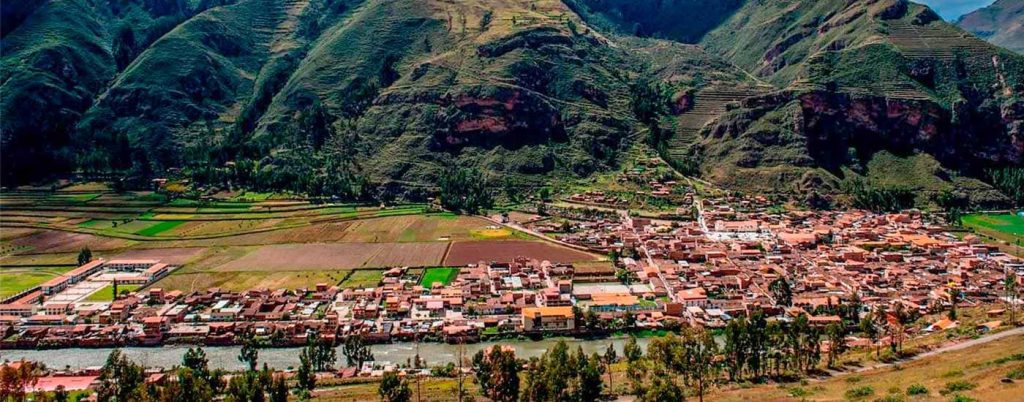
Why Visit? The Case for Staying in the Sacred Valley
This strategic location puts us closer to adventure without sacrificing comfort. Urubamba sits 530 meters lower than Cusco, which means our bodies adjust faster and we feel more energetic from day one.
Altitude sickness symptoms like shortness of breath and headaches fade quickly here, letting us focus on exploring rather than recovering. We can head straight into activities at Moray archaeological park or the Maras salt mines without spending days adjusting.
The Sacred Valley’s best farm-to-table restaurants cluster around our base, serving locally sourced corn, quinoa, and potatoes alongside alpaca and llama dishes that blend Andean traditions with international flavors. Peru’s culinary scene has earned serious global recognition: Central in Lima was recently named one of the world’s best restaurants, and the farm-to-table movement flowing from the Sacred Valley into Lima is a big reason why.
Hotels here feature modern amenities like WiFi and English-speaking staff, so we enjoy contemporary comfort while respecting the region’s heritage.
We choose Urubamba as our home base because it offers what Cusco cannot. Fine dining establishments like El Huacatay and Kaia at Sol y Luna deliver exceptional meals that showcase the valley’s produce. For budget-friendly options, casual spots like La Cantina del Viajero serve honest ceviche without the tourist markup.
- Luxury lodges like Sol y Luna Lodge and Inkaterra Hacienda Urubamba provide spa services, snowcap views, and horse riding across Andean trails.
- Archaeological access puts Pisac ruins, Ollantaytambo’s Inca fortress, and the train to Machu Picchu within easy reach.
- Cultural immersion comes through weaving markets, cooking classes, and river rafting, all without driving back to Cusco daily.
The blend of Andean traditions and modern conveniences means we experience authentic Sacred Valley culture without sacrificing hot showers or good coffee.
Top Things to Do in Urubamba and the Sacred Valley
Moray’s massive circular terraces sit just 30 minutes from Urubamba, and these ancient agricultural experiments absolutely worth the drive. The Incas engineered these rings to test different crops at various altitudes, and the scale still impresses visitors today. Scientists believe the temperature difference between the top and bottom levels reaches up to 27 degrees Fahrenheit, making Moray one of the most sophisticated agricultural laboratories in the ancient world.
Maras salt pans lie only 20 minutes away. Over 3,000 individual pools, fed by an underground hypersaline spring, cover the mountainside in a patchwork of white and pink. Workers harvest salt using methods passed down for centuries.
Chinchero, located 45 minutes out, combines an archaeological park with a vibrant weaving market that operates Tuesday, Thursday, and Sunday. Local artisans sell alpaca textiles and ceramics directly from their hands, including pieces from Ceramica Seminario, the studio run by Pablo Seminario and Maril Behar that has become one of Peru’s most celebrated ceramic workshops.

Adventure Activities on Your Doorstep
Our hiking trails crisscross the valley floor, offering everything from gentle walks to serious treks. The 2-mile trail from the Plaza de Armas to the Mirador Tantanmarka viewpoint takes about two hours round-trip and rewards us with panoramic views of the entire valley.
According to a 2026 National Geographic piece on the Urubamba River, white-water rafting here reveals “trails etched into the hillsides, birds rising from the reeds and ancient, glacier-crowned peaks.” The Urubamba and Vilcanota sections feature Class I to III rapids, good for beginners and intermediate paddlers. Mountain biking routes connect Pisac and Ollantaytambo through dirt trails, with bike rentals available right in town.
- Horseback tours to Maras Salt Pans and Moray at a relaxed pace, letting us absorb the landscape. Hacienda del Chalan is one of the most recommended local stables for valley rides.
- Cooking classes using local ingredients harvested fresh from valley farms, a hands-on way to bring the Sacred Valley home with us.
- The Perolniyoc waterfall hike (Catarata Perolniyoc), which rewards a moderate trek with a dramatic Andean cascade few tourists bother to find.
- The Kinsa Cocha hike, which takes us past glacial lakes and high-altitude terrain that feels genuinely remote.
- Cerveceria del Valle Sagrado, the award-winning craft brewery at Puente Pachar (about 20 minutes from Urubamba), open Wednesday through Sunday from 2 to 7 PM. Brewmaster Joe Giammatteo, who trained at Oakshire Brewing in Oregon, produces IPAs, stouts, and the popular Chicha Pils using local ingredients.
These activities connect us directly to the Sacred Valley’s culture, history, and natural beauty without requiring extensive travel from our Urubamba base.
Maras Salt Mines, Chinchero, and the Best Day Trips from Urubamba
We find ourselves spoiled for choice when we base ourselves here. The circular terraces at Moray sit just 30 minutes away by car, and these ancient agricultural experiments still stun visitors today.
We drive through rolling valleys to reach this Inca archaeological park, where concentric stone rings descend into the earth like a giant staircase. The site demonstrates how the Inkas engineered different microclimates for crop testing.
Just 20 minutes in the other direction, we discover the Maras salt mines. Local families still harvest salt from natural springs, exactly as their ancestors did centuries ago. The admission f paid in cash directly to the community at the gate. These ancient salt pans remain operational today, and we can watch workers rake crystallized salt into neat piles. One insider tip from travelers on the ground: bring small bills, since the gatekeepers often run out of change early in the morning.
Chinchero archaeological park lies 45 minutes away, combining ruins with a thriving weaving market that operates Tuesday, Thursday, and Sunday. We purchase alpaca textiles and ceramics directly from artisans who craft them right in front of us.
Our adventure options expand dramatically once we settle into Urubamba. White water rafting on the Urubamba River gets our hearts racing as we navigate rapids through canyon walls. Horse riding along Andean trails takes us past terraced agriculture and small villages. Cooking classes with local produce teach us to prepare traditional Peruvian dishes using quinoa, dried herbs, and fresh vegetables from the valley floor.
Mountain biking valley routes challenge our legs while rewarding us with views of snow-capped peaks and the Vilcanota River below. Each activity connects us directly to the land and people of the Sacred Valley, transforming our stay from a quick stopover into a genuine immersion.
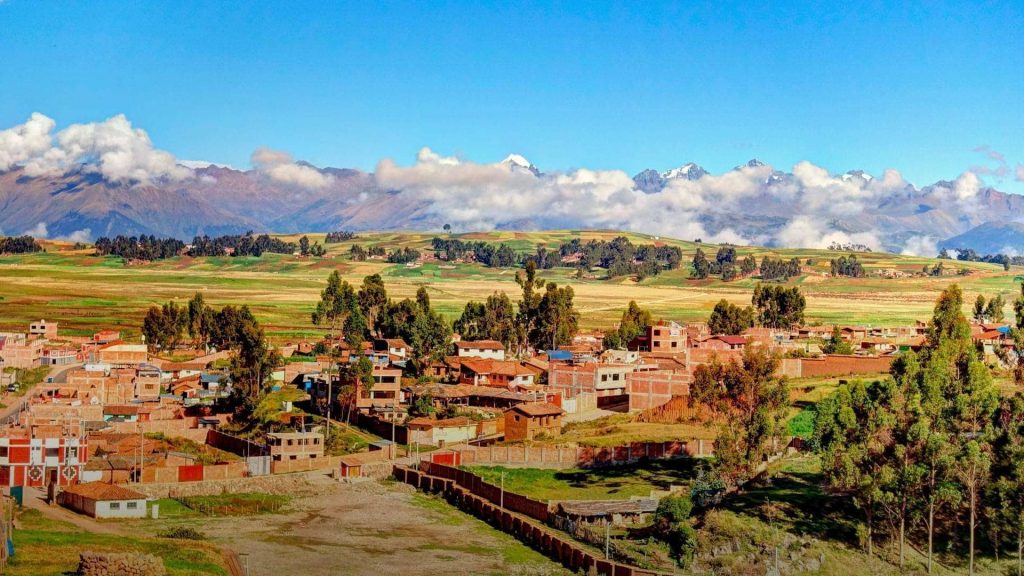
Best Restaurants in Urubamba
Urubamba’s dining scene punches well above its weight, offering meals that rival anything we find in Cusco. El Huacatay sits just three blocks from the main plaza at Jr. Arica 620, run by Peruvian chef Pio Vasquez de Velasco and his wife Iris. It serves creative fusion dishes like alpaca carpaccio blending Peruvian, Mediterranean, and Asian flavors. It opens Monday through Saturday from 12:30 to 21:30, and on Sundays from 12:30 to 16:00. Reservations fill up fast, so plan well ahead.
Hawa Restaurant at the Tambo del Inka Hotel, four blocks from the plaza on Avenida Ferrocarril, specializes in Novo Andean cuisine with signature lamb loin paired with hickory sauce and quinoa soufflé. Breakfast runs from 05:30 to 10:00, lunch from 12:30 to 15:00, and dinner from 18:30 to 21:00.
Qanela Restaurant on Calle Grau 654 serves traditional Peruvian dishes including lomo saltado, ají de gallina lasagna, alpaca steak, and trout tiradito, staying open daily from 12:00 to 23:00 just two blocks from our main gathering spot.
Our options expand beyond the plaza’s immediate reach. Killa Wasi at Hotel Sol y Luna, located at Km 74 on the Cusco-Ollantaytambo Highway, delivers fine dining with local Peruvian fusion in a romantic fireplace setting. Paca Paca on Av. Mariscal Castilla serves Peruvian fusion alongside wood-fired pizzas, operating Tuesday through Sunday from 13:00 to 21:00. For those venturing slightly further, El Huerto Restaurant at Belmond Rio Sagrado offers salads ranging from 45 to 55 Soles and main courses from 65 to 90 Soles.

El Huacatay: Farm-to-Table, Best Meal in the Valley
El Huacatay stands out as the finest dining destination in the Sacred Valley, and we cannot overstate how seriously to take the reservation requirement. Located at Jr. Arica 620 in Urubamba, this farm-to-table restaurant sources ingredients directly from local producers and its own gardens. Fodor’s named it one of the best restaurants in the entire Cusco region, and Google reviews consistently rate it at 4.5 out of 5.
Chef Pio Vasquez de Velasco transforms seasonal produce into meals that tell stories of Peruvian agriculture and tradition. The kitchen blends Peruvian, Asian, and Mediterranean influences into dishes like the alpaca carpaccio prepared with sacha tomato, coriander, and sesame. Reviewers who have dined here multiple times over 15 years say the experience remains consistently exceptional.
Dishes rotate based on what grows that week, so no two visits feel identical. The signature frozen coca sour cocktail alone is worth the trip. The wine list complements each plate with selections from Peru’s finest vineyards, and the service staff guides you through each course with genuine passion.
Our experience at El Huacatay reveals why reservations fill up weeks in advance. The restaurant operates with limited seating, which means the kitchen maintains quality control that larger establishments cannot match.
We recommend booking at least two weeks ahead, especially during the dry season from May to October when travelers flood the Sacred Valley. The restaurant is closed on Sundays, so plan accordingly.

Kaia at Sol y Luna: Gourmet Dining with Snowcap Views
After El Huacatay sets the bar high, we discover that Kaia at Sol y Luna offers a different kind of magic. This gourmet restaurant sits within Sol y Luna Lodge, where snowcap views frame every meal we enjoy.
The Vilcanota River valley spreads below us while we dine, and the Andes create a natural backdrop that photographs capture but never quite match in reality. Kaia specializes in contemporary Andean cuisine, blending local ingredients with refined techniques that elevate traditional flavors.
We appreciate the wine list here, which pairs perfectly with dishes crafted from the lodge’s organic gardens. The sommelier guides us through selections that complement each course, making every sip feel intentional.
We find that Kaia distinguishes itself through its commitment to sourcing ingredients from nearby farms and the lodge’s own cultivation spaces. The chefs work with seasonal produce, meaning our meal changes based on what grows during our visit. This approach keeps the menu fresh and connected to the land surrounding us.
The dining room feels intimate without being cramped, and service staff move with quiet efficiency throughout the evening. We leave Kaia satisfied not just by the food, but by the entire experience of sitting in the Sacred Valley with mountains framing our conversation.

El Maizal: Traditional Peruvian, Local Ingredients
If gourmet dining left you craving something more grounded, El Maizal brings us back to what Peruvian food does best. This restaurant celebrates traditional recipes using ingredients sourced straight from the Sacred Valley’s markets and farms.
We find authentic flavors here, not fancy presentations or complicated techniques. The kitchen works with local produce, quinoa, and herbs that grow in the valley itself. Every dish tells a story about how people in this region have cooked for generations.
Our meals at El Maizal taste like home cooking elevated just enough to impress. The ceviche arrives fresh and bright, the lomo saltado sizzles on the plate, and the causa layers potatoes with local fish in ways that feel both simple and special. The casual atmosphere means we can relax and enjoy without pretension.
For travelers seeking real Peruvian cooking in Urubamba, El Maizal delivers exactly what we came for.

La Cantina del Viajero: Casual, Ceviche, Budget-Friendly
La Cantina del Viajero sits right in the central market area of Urubamba, and we love it for its no-fuss vibe and honest food. This casual spot serves some of the best ceviche we have tasted in the Sacred Valley, made fresh daily with local catches and bright lime juice.
The restaurant keeps prices low, so we stretch our travel budget further without sacrificing flavor or quality. Staff members greet us warmly, and the open-air seating lets us watch the daily rhythm of the Mercado de Urubamba unfold.
We find La Cantina del Viajero perfect for lunch after exploring nearby sites like the Iglesia de Urubamba or the Urubamba Market on Wednesdays when locals flood the plaza. The ceviche here tastes authentic because the cook sources ingredients from vendors just steps away in the market itself.
Budget travelers, families, and adventure seekers all crowd the tables together, creating a real community feel. We leave satisfied, energized, and with enough money left over for that alpaca textile spotted at the market stalls nearby.
Wayra at Inkaterra: Contemporary Andean Cuisine from an Organic Garden
Wayra at Inkaterra sits within the Hacienda Urubamba, a working farm that grows much of what appears on our plate. The restaurant’s approach is genuinely refreshing: chefs source ingredients straight from the organic garden surrounding the property.
Contemporary Andean cuisine means traditional flavors get modern presentations, so we taste heritage in each bite. The dining room opens onto views of the valley, making meals feel less like restaurant visits and more like family gatherings in a place that truly belongs here.
Staff members bring courses that showcase local produce at peak ripeness. Alpaca, quinoa, and seasonal vegetables dominate the menu, each prepared with care that respects where they came from.
Our experience at Wayra reveals what farm-to-table truly means when executed well. We watched cooks work with ingredients harvested that morning, transforming simple valley produce into dishes worth traveling for. Reservations matter here, since word spreads fast among travelers seeking authentic culinary experiences in the Sacred Valley.
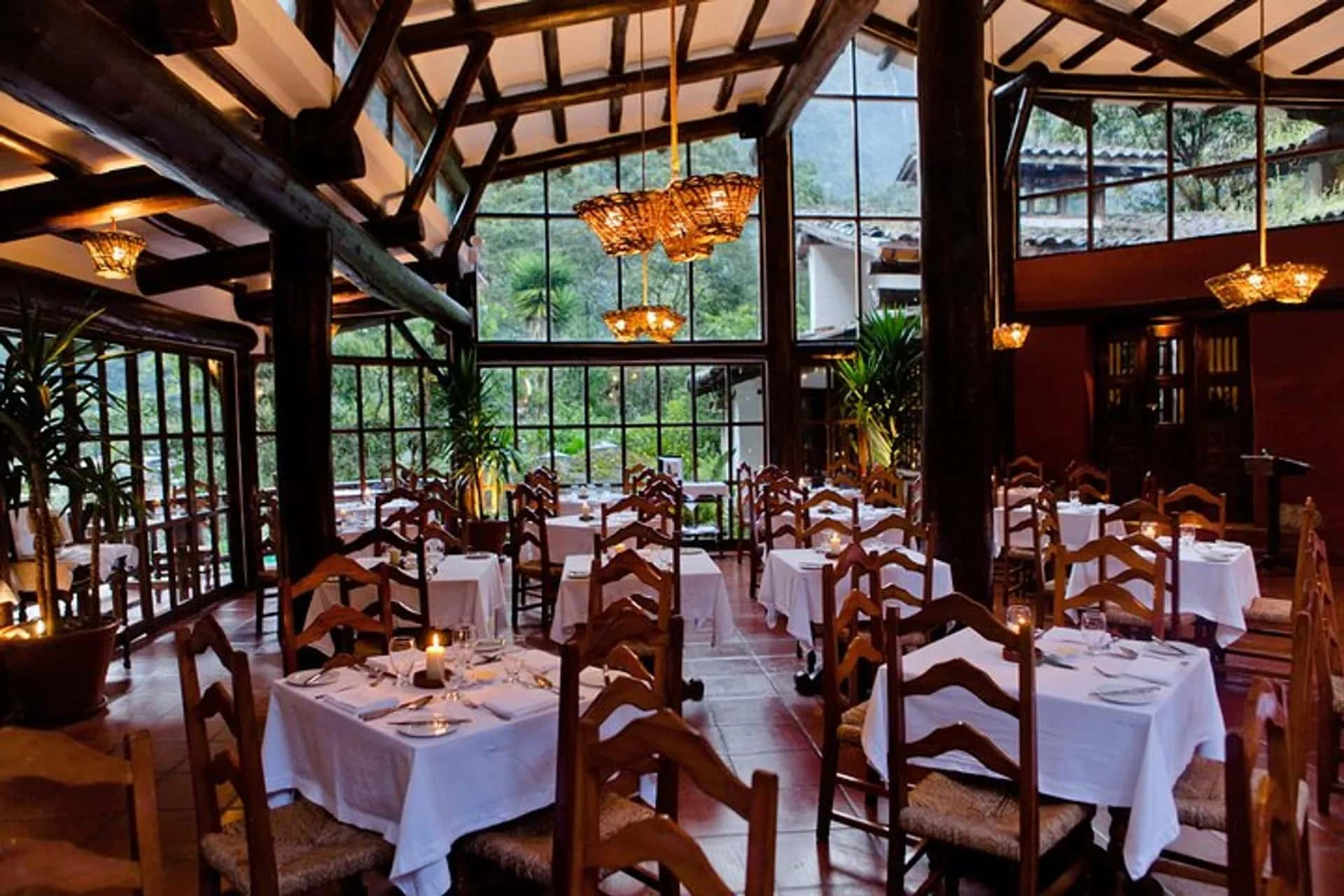
Best Hotels in Urubamba
We find Sol y Luna Lodge at Km 74 on the Highway Cusco-Ollantaytambo as our top pick for those seeking mountain views and comfort. The bungalows are perfectly positioned to catch snowcap vistas, while the spa melts away travel fatigue and horseback riding lets us explore Andean trails directly from the property.
Inkaterra Hacienda Urubamba offers farm hacienda stays with organic gardens where we taste what locals grow. Explora Valle Sagrado packages everything into one all-inclusive experience: all excursions come built into our stay, so we skip the planning headaches entirely.
Casa Andina Premium Valle Sagrado Hotel and Villas serves as our reliable mid-range option right in central Urubamba, keeping us close to restaurants and markets. For those wanting earth-tone luxury with Inca-inspired art, Belmond Rio Sagrado Villas and Spa Hotel delivers large windows framing the valley below.
Tambo Del Inka, a Luxury Collection Resort and Spa, stands out because it is the only hotel in Urubamba with its own private train station, offering direct PeruRail service to Machu Picchu via Aguas Calientes. According to the Michelin Guide, it is the only property in the Sacred Valley with this feature, which means guests can board a train to Machu Picchu without any additional transfers.
Hotels in nearby Yucay sit just ten minutes by taxi from Urubamba, giving us quieter options without sacrificing access. Many properties offer complimentary bike rentals, so we pedal through Sacred Valley routes at our own pace, discovering hidden corners most travelers miss.
Sol y Luna Lodge: Bungalows, Snowcap Views, Spa, Horse Riding
Among our favorite places to stay, Sol y Luna Lodge stands out as a true gem in the Sacred Valley. We find ourselves drawn to this property for its stunning bungalows scattered across manicured grounds, each offering privacy and comfort at 2,800 meters elevation.
The snowcap views of the surrounding Andes mountains create a breathtaking backdrop for morning coffee or evening relaxation. Our guests consistently praise the on-site spa, where skilled therapists use local ingredients to rejuvenate tired muscles after days of exploring Moray’s circular terraces and the Maras salt mines.
Horse riding excursions depart directly from the lodge, allowing us to explore Andean trails without wasting time on transfers. The property’s farm-to-table restaurant serves meals prepared with produce from its own gardens, making each dish taste like it came straight from the earth beneath our feet.
We appreciate how Sol y Luna Lodge functions as a perfect base for longer stays in the Sacred Valley. The bungalows feature traditional Andean design mixed with modern amenities, so we sleep soundly after full days of adventure. Staff members arrange activities like mountain biking valley routes, cooking classes with local produce, and white water rafting on the Urubamba River.
Located just minutes from Chinchero ruins and weaving markets, the lodge puts us within reach of the valley’s best cultural experiences. We leave Sol y Luna Lodge feeling refreshed, connected to the landscape, and already planning our return visit.
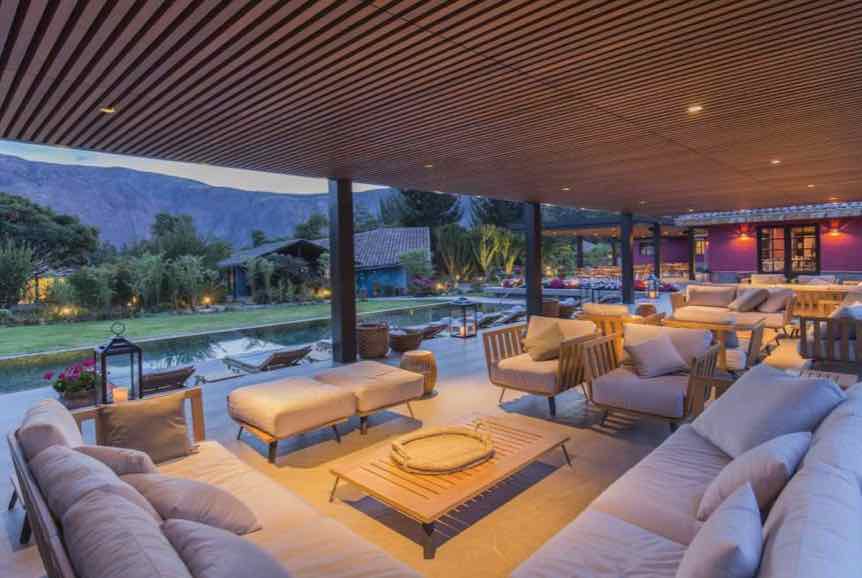
Inkaterra Hacienda Urubamba: Farm Hacienda, Organic Gardens
Inkaterra Hacienda Urubamba sits at 9,420 feet in the Sacred Valley, offering us a chance to stay on a working farm hacienda with organic gardens. We get to experience responsible travel firsthand by staying at a property that grows its own vegetables, herbs, and quinoa right on the grounds.
The hacienda features traditional architecture that fits perfectly into the Andean landscape. Our rooms provide comfort without sacrificing the authentic farm atmosphere. We can walk through the organic gardens each morning and see exactly where our meals come from.
The property sits close to major attractions like Moray circular terraces, Maras salt mines, and Pisac archaeological park, making it an excellent base for exploring the valley without returning to Cusco daily. Our meals at Wayra restaurant showcase contemporary Andean cuisine prepared with ingredients harvested from the hacienda’s own gardens.
The hacienda connects us to the region’s agricultural heritage while providing luxury lodge amenities like spa services. We leave with a deeper understanding of how farm-to-table dining works in the Sacred Valley.

Explora Valle Sagrado: All-Inclusive, All Excursions Included
Explora Valle Sagrado operates as an all-inclusive resort that bundles every excursion, meal, and activity into one straightforward package. We appreciate how this approach removes the guesswork from planning our Sacred Valley experience.
All excursions to major sites like Moray’s circular terraces, Maras salt mines, Ollantaytambo archaeological park, and other Inca archaeological parks come included with our stay. Expert guides lead us through each destination, sharing stories about the Inca empire and incan civilization.
Meals feature local ingredients prepared with care, so we taste authentic Peruvian flavors without hunting for restaurants. Transportation between activities runs smoothly, meaning we skip the stress of coordinating rides or figuring out logistics.
Our days flow seamlessly from one adventure to the next, whether we are hiking to Perolniyoc waterfall, exploring Pumamarca ruins, or visiting Huchuy Qosqo trek routes. The all-inclusive model lets us focus purely on experiencing the valley rather than managing details. We leave having seen the valley’s highlights, tasted its flavors, and learned its history, all without the mental fatigue of constant decision-making.

Casa Andina Premium: Reliable Mid-Range, Central Location
If all-inclusive packages feel like overkill, we find Casa Andina Premium hits the sweet spot. This mid-range hotel sits right in Urubamba’s central location, putting us steps from the Plaza de Armas and the historic San Pedro Church.
We appreciate the straightforward approach here: solid accommodations that let us rest well after exploring Moray’s circular terraces or the Maras salt mines. The hotel offers reliable service, clean rooms, and a convenient base for day trips to Pisac ruins or Ollantaytambo’s Inca fortress.
The staff speaks English, handles bookings smoothly, and knows the area well enough to point us toward the best local produce at the Urubamba Market on Wednesdays when livestock vendors fill the streets alongside fresh goods. Our wallet stays happy here too. We spend less than luxury lodges charge, yet we do not sacrifice comfort or access to what makes the Sacred Valley special.
Casa Andina Premium works for travelers who want genuine Sacred Valley experiences without paying premium prices or dealing with complicated all-inclusive schedules. We get independence, affordability, and a location that opens every door we want to walk through.

Markets and Shopping in Urubamba
We find the best shopping experiences across three main markets in the Sacred Valley. Chinchero’s weaving market operates on Tuesday, Thursday, and Sunday, showcasing traditional textiles and Quechua cultural elements through music and dance.
Pisac’s larger artisan market sits 30 minutes away and draws crowds on Sundays with everything from alpaca textiles to silver jewelry. Our central market in Urubamba operates daily, offering local produce, traditional goods, and a genuine glimpse into valley life.
Ceramica Seminario, founded by artist Pablo Seminario and Maril Behar, produces stunning ceramics inspired by pre-Hispanic designs right here in town, making it a must-visit for anyone seeking authentic Peruvian craftsmanship. The Plaza de Armas hosts cultural and gastronomic fairs on weekends, blending shopping with local flavor and community spirit.
Shopping here means supporting families who have crafted these items for generations. These markets pulse with Quechua language, traditional music, and the energy of locals buying everyday goods alongside travelers hunting for treasures.
We recommend purchasing alpaca textiles, silver pieces, ceramics, quinoa, and dried herbs as souvenirs that capture the valley’s essence. Our day trips section covers how to reach these markets and explore the surrounding Inca sites that make the Sacred Valley so special.
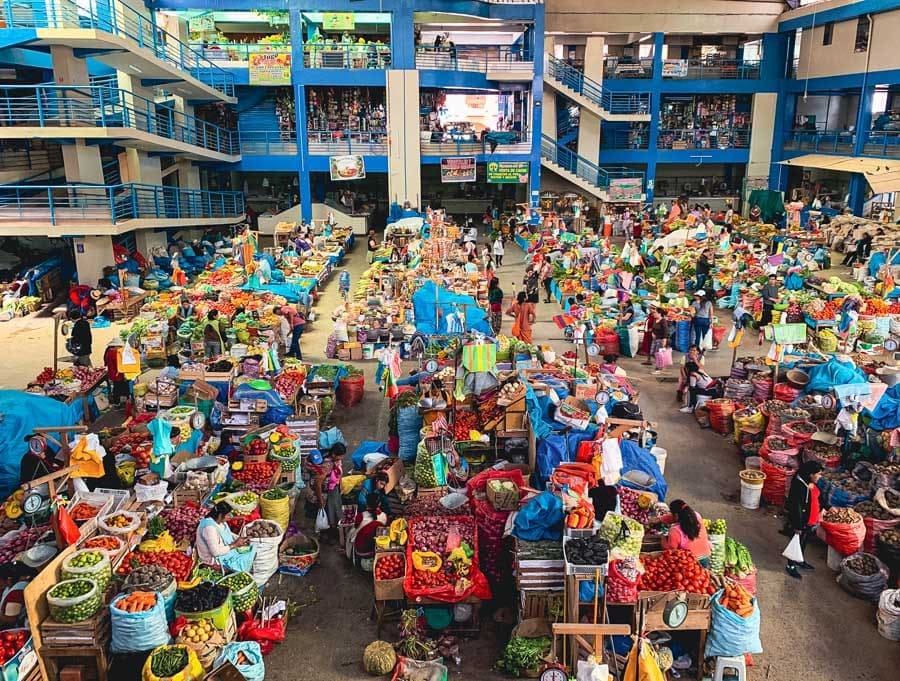
Chinchero: Best Weaving Market, Tuesday, Thursday, Sunday
Chinchero sits about 45 minutes from Urubamba, and we find the weaving market there absolutely worth the drive. Textiles hang from every stall, displaying alpaca wool in colors that seem almost impossible to achieve with natural dyes.
The market operates on Tuesdays, Thursdays, and Sundays, with each day bringing fresh vendors and eager buyers. Local artisans sell directly from their hands, so we get fair prices and authentic craftsmanship. Visiting on any of those three days means we support families who have practiced this craft for centuries.
Alpaca textiles, silver jewelry, and ceramics fill the marketplace with texture and tradition. The weavers demonstrate their techniques right there, showing us patterns passed down through generations. The Center for Traditional Textiles is worth a stop for anyone wanting a deeper explanation of the dyeing and weaving process.
Our trip to Chinchero becomes richer when we arrive early, before crowds gather and the best pieces sell out. The town itself sits high in the valley, offering views that stretch across mountains and agricultural terraces from the Inca period. Most vendors speak Spanish primarily, though many understand basic English. Bringing cash in Peruvian soles makes transactions smoother, and haggling happens naturally here.
This market experience gives us something no luxury lodge or restaurant can offer: direct connection to Sacred Valley culture.

Pisac: Larger Artisan Market, Best on Sundays, 30 Minutes Away
Pisac sits just 30 minutes from Urubamba and hosts one of the largest artisan markets in the Sacred Valley. We find the market absolutely thrives on Sundays, when vendors spread their goods across the plaza and surrounding streets.
Alpaca textiles, silver jewelry, ceramics, and traditional crafts fill every corner. The energy feels electric compared to smaller markets, and we get real value for our money. Locals shop here too, not just tourists, which tells us the prices stay fair.
Our group loves exploring the Pisac ruins before hitting the market. The two activities pair perfectly in a single day trip. We grab lunch at one of the casual restaurants surrounding the plaza, then spend hours browsing textiles and ceramics. Sunday brings the biggest crowds and best selections.
We load up on quinoa, dried herbs, and handwoven blankets to take home. The 30-minute drive from our Urubamba lodge feels short compared to the memories we make here.

Urubamba Central Market: Daily Local Produce
While Pisac’s larger artisan market draws crowds on Sundays from across the valley, we find that Urubamba’s central market (Mercado de Urubamba) offers something different. It operates daily, giving us direct access to what locals actually eat.
We step into rows of vendors selling fresh quinoa, dried herbs, potatoes in every color imaginable, and alpaca meat. The market pulses with extra activity on Wednesdays, Fridays, and Sundays, when farmers bring their best harvests down from the Andean highlands.
Prices run 4 to 8 PEN for most items, making our shopping budget stretch further than tourist-focused shops. We taste samples, haggle gently, and learn recipes from vendors who have worked these stalls for decades. The air smells like earth and cilantro, not souvenir trinkets.
We grab our canvas bags and head to the market early, before the morning rush fades. We find ingredients for cooking classes, pick up snacks for our hikes to Perolniyoc waterfall or around Laguna Yananocha, and chat with merchants about their farms. Collectivos cost just 1 to 2 USD to reach the market from our lodge, making this an affordable way to eat like we actually live here.
The Karikuy Sacred Valley Tour: Main Sites, Transport Included
Rather than spending another hour driving back to Cusco after exploring the valley, we recommend booking the Karikuy Sacred Valley Tour, which handles all the heavy lifting for you.
Our tour covers the main sites across the valley, including the circular terraces of Moray, the salt mines at Maras, and the weaving markets at Chinchero. Transport arrives at your hotel, so we skip the stress of managing unfamiliar roads or figuring out local bus schedules.
The tour runs at a comfortable pace, giving us time to absorb the landscape without feeling rushed. We stop at working farms and meet local artisans who share their craft directly with us. Lunch typically features farm-to-table ingredients from the region, so we taste authentic Peruvian flavors prepared fresh.
Our group size stays small, which means we get personalized attention and can ask questions without holding up a massive crowd. The tour operates year-round, though May through October offers the clearest skies and best visibility for photos. We leave the logistics to professionals and focus on what matters: experiencing the Sacred Valley properly.

Urubamba vs. Cusco: Which Should You Choose?
We find ourselves at a crossroads when planning our Sacred Valley adventure. Urubamba sits at 2,870 meters above sea level, while Cusco towers at 3,400 meters, and that 530-meter difference changes everything about our energy levels.
Our bodies feel stronger in Urubamba because we experience less altitude sickness and fatigue. We can hike, explore, and eat without that heavy fog clouding our minds. Cusco demands acclimatization. We spend days adjusting before we truly enjoy ourselves. Urubamba lets us jump straight into adventure.
The town offers direct access to the valley’s best sites, from Moray’s circular terraces to Maras salt mines. We reach these wonders in 20 to 30 minutes, not hours. Our stomachs also thank us for choosing Urubamba. The farm-to-table restaurants here serve Peru’s most incredible meals.
Cusco remains the historical heart of the Inca Empire, packed with archaeological treasures and vibrant nightlife that keeps visitors entertained until late. We find more restaurants, museums, and cultural experiences concentrated in one place. Cusco works perfectly for short trips, maybe two or three days of sightseeing before we move on.
Urubamba wins for longer stays, especially when we want to base ourselves in one location and explore the valley systematically. We avoid daily drives back to Cusco’s higher altitude. We skip the nightlife noise and embrace the peaceful rhythm of Andean life.
Short visits favor Cusco. Extended explorations favor Urubamba. We can even do both: start in Cusco for history, then drop down to Urubamba for relaxation and culinary discovery.
Urubamba Travel guide FAQ
What makes Urubamba, Peru a great place to visit?
We love Urubamba Peru because its lower elevation of 9,420 feet makes it the perfect place to acclimate while exploring the Urubamba Sacred Valley. You can easily spend your days hiking to Catarata Perolniyoc, discovering the ancient exhibits at Museo Inkariy, and finishing with a fresh IPA at Cerveceria Willkamayu.
What are the best hikes near Urubamba Sacred Valley?
The Perolniyoc hike & waterfall rewards you right away with a stunning 300-foot cascade dropping just beneath an ancient Incan ruin. For a completely different landscape, the Kinsa Cocha hike takes you past three vibrant alpine lakes sitting at an impressive 14,000 feet.
Where should I stay in Urubamba, Peru?
We highly recommend booking a room at Wifala Harmony Hotel for its amazing breakfasts or choosing Hacienda del Chalan if you want a cozy stay with majestic Peruvian Paso horses right on the property.
What hidden gems should I add to my Urubamba Peru travel guide?
Any comprehensive Urubamba Peru travel guide needs a stop at the Santuario de Colibríes – Ensifera Ensifera, where you can photograph over twenty different hummingbird species up close. Afterward, you can pay your respects at the brightly painted Urubamba Cemetery before grabbing an authentic Andean dinner at Alma Andina or a warm treat from Colitas con Canas.
Is Urubamba a good base for exploring beyond the Sacred Valley?
Urubamba is a phenomenal launchpad that connects you straight to Machu Picchu trains, high-altitude trails, and exciting routes heading down into the Amazon rainforest. PromPerú highlights this town as a premier travel hub, making it an essential stop in our ultimate Urubamba travel guide.

Angel Ponce
Ángel is a passionate traveler and cultural enthusiast with over 5 years of experience in the tourism sector in Peru. Originally trained in Administration, he is currently expanding his expertise by specializing in Software Engineering, combining his love for travel with a growing passion for technology.
Born and raised in Peru, Ángel has always been fascinated by his country's rich cultural heritage, diverse landscapes, and especially its world-renowned cuisine. His early experiences exploring Peru include climbing the majestic Pastoruri Glacier as a child—a memory that sparked his lifelong connection to the country's natural beauty. Today, he enjoys exploring Peru’s coastal gems and sharing his insights with fellow travelers.
Ángel is deeply knowledgeable about Peru's history, traditions, and hidden cultural treasures. He enjoys creating meaningful travel experiences that help visitors connect with the authentic soul of the country. In his free time, you'll often find him diving into programming books, continuously learning and merging his two great passions: technology and travel.
With a unique blend of local expertise, cultural appreciation, and technical skills, Ángel brings a fresh and insightful perspective to Peru’s travel industry.
- Angel Ponce

- Angel Ponce

- Angel Ponce

- Angel Ponce


