


Have you ever stood somewhere and felt completely overwhelmed by how extraordinary a place is? That’s exactly what discovering Machu Picchu does to you. It grabs you the moment you step through those ancient granite gates and simply doesn’t let go.
We’re talking about a 15th-century Inca city sitting more than 7,500 feet above sea level, hidden from the world for centuries. And walking through it feels less like a tourist visit and more like stepping into another dimension of human history.
Need Quick & Easy Trip Planning? We Can Help..


Free Itineraries Based on your Schedule & Budget
Booking Assistance for Hotels, Flights and Transfers
24/7 Customer Support & Personal Travel Advisors
We’ve put this complete 2026 guide together to walk you through everything, from how to get there and buy your tickets to what to see once you’re inside. Let’s cover it all, step by step.

Why Discovering Machu Picchu Is Unlike Anything Else
Stepping foot on Machu Picchu, Peru, we walk in the shadows of an ancient Inca city hidden for centuries above the Urubamba Valley. Hiram Bingham III reached this mountaintop wonder on July 24, 1911, guided by local farmers who already knew its secrets.
The site sits over 7,500 feet high and was built under Emperor Pachacutec without wheels or modern tools. It’s a marvel of Incan engineering, with precise stonework and terraces clinging to steep cliffs. No records mentioned this lost city before Bingham’s visit made headlines in National Geographic in April 1913. Even so, indigenous people like Agustín Lizárraga visited years earlier.
Unlike other sites such as Choquequirao or Espíritu Pampa, Machu Picchu now welcomes around 1.5 million travelers each year as one of the Seven Wonders of the World. To protect this UNESCO World Heritage site, Peru’s Ministry of Culture now caps daily visits at 5,600 people during the high season. That hard limit is the reason planning ahead matters so much.
Its dramatic setting makes us feel small but curious among ancient andenes and temples like Inti Punku and the Temple of the Sun, reminding us that some mysteries outlast even time itself.
How to Get to Machu Picchu from Cusco (Step by Step)
Reaching Machu Picchu takes a bit of effort, but the journey is half the fun. Cusco offers several routes that let us choose our own adventure through the land of the Inca civilization.
- Start in Cusco, once the capital of the mighty Inca Empire and home to marvels like Coricancha and classical Inca architecture.
- Catch a taxi or bus from Cusco to Ollantaytambo, a town famed for its fortress ruins and vital stop along the sacred valley. Allow about two hours for this stretch.
- Board a PeruRail or Inca Rail train at Ollantaytambo station. The tracks wind through lush cloud forests alongside the Vilcabamba River until they reach Aguas Calientes in roughly 90 minutes. Economy class on the Expedition train starts around $80 round-trip from Ollantaytambo, while mid-range panoramic options like the Vistadome run $140 to $180.
- For thrill-seekers, try a multi-day trek instead. Options include the iconic Inca Trail leading directly to Inti Punku (Sun Gate), with ancient Inca masonry underfoot, or the Salkantay Trek over high passes reaching up to 4,630 meters.
- Arrive at Aguas Calientes, the bustling gateway village below Machu Picchu, nestled beside steep Andean slopes and named for its famous hot springs.
- Ascend to Machu Picchu itself with a 30-minute bus ride zigzagging up dramatic switchbacks, or choose to hike if feeling energetic. Sweat and anticipation are guaranteed either way.
- Have pre-purchased entry tickets ready before arrival. Spots often sell out well ahead due to daily limits at this national historic sanctuary. The official booking portal is tuboleto.cultura.pe, where tickets for 2026 became available starting November 17, 2025.
Each step brings us closer to wonders carved by skilled Incan engineers, whether through ancient stone roads or riding rails past fields once tended by yanaconas farmers.
Option 1: Train via Ollantaytambo
After looking at how to get from Cusco to Machu Picchu, we move on to the most popular route: taking the train via Ollantaytambo. The journey kicks off in Cusco and winds through the Sacred Valley, passing fields of terrace farming once cultivated by Inca emperors.
We catch our ride in Ollantaytambo, a small town with stone alleys and traces of classical Inca style, where ancient walls still stand strong beside modern cafes. Starting here keeps the train ride short and scenic at around 1.5 hours, and fares run about $30 to $50 less per ticket than departing from Poroy station near Cusco.
Two operators run this route: PeruRail and Inca Rail, both with multiple daily departures. PeruRail offers the basic Expedition class and the panoramic Vistadome, while Inca Rail runs the Voyager, 360°, Prime, and First Class services. For those wanting a splurge, PeruRail’s luxury Hiram Bingham train includes gourmet meals and bar service, with round-trip fares ranging from $500 to $600.
The train slices through stunning scenery along the Urubamba River. This river carved deep canyons that hid Machupicchu from outsiders for centuries, even as explorers like Hiram Bingham searched for Vitcos and Espiritu Pampa far beyond these peaks. Tickets sell out fast during peak months, so booking at least 30 days out in normal seasons (and two to three months ahead from May to September) is a smart move.
After about 90 minutes to two hours, the tracks end at Aguas Calientes, the lively gateway at Machu Picchu’s feet.
“Traveling this rail isn’t just transportation. It’s rolling straight into Peru’s living history.”
Option 2: Inca Jungle Trek
We hop on mountain bikes and race down from the high Andes into lush, subtropical jungle. The route crosses valleys, rivers, and ancient Inca road system paths. Some trips offer rafting on the Vilcabamba river valley for an extra thrill.
Along the way, we pass through small indigenous villages and even see rugged Inca ruins that most tourists miss. The Inca Jungle Trek is a popular combination of hiking, biking, and optional activities like ziplining and hot springs, making it a genuinely unique experience for adventurous travelers.
This trek takes three to four days. Our journey ends in Aguas Calientes at the foot of Machu Picchu. Fewer restrictions than the classic Inca Trail means permits are easier to get, making it perfect if we plan last-minute or want a change from crowded routes.
Stops at overlooked sites, sometimes linked to legends of Pachacuti Inca Yupanqui or even a glimpse of Choqquequirau far off, give us a peek into true Incan civilization life as described by explorers like Gene Savoy.
Option 3: Salkantay Trek
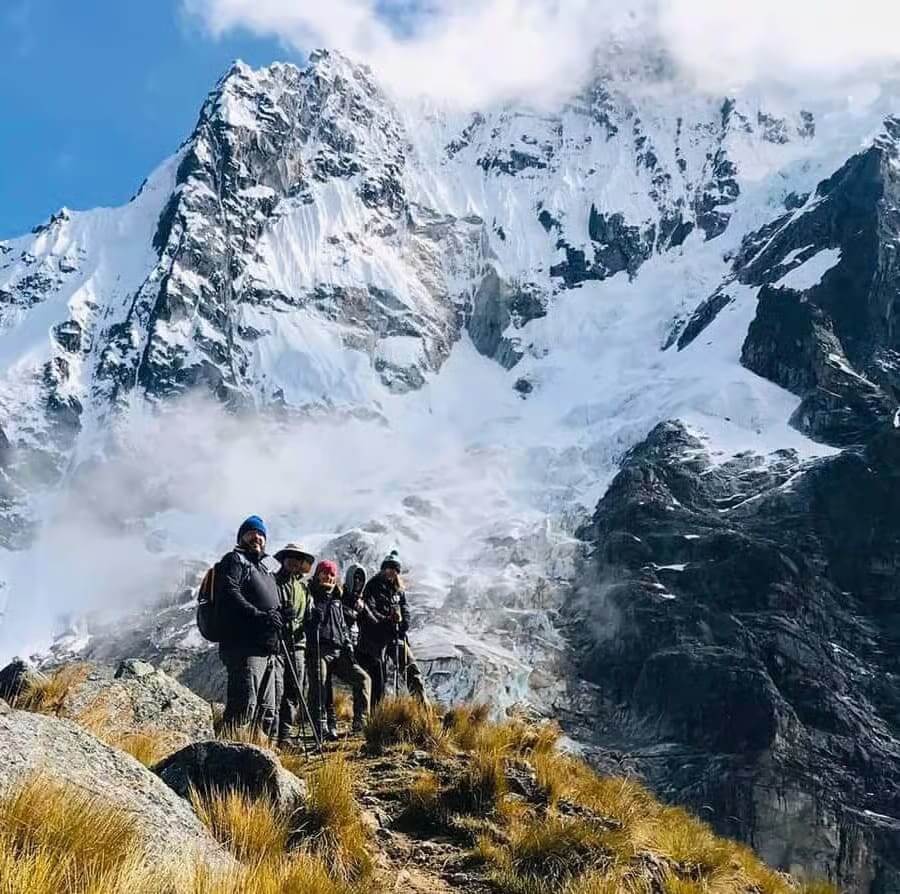
Trekking the Salkantay route in the Cusco region is no walk in the park, but it’s one for adventurers. National Geographic Adventure Travel Magazine has listed it among the 25 best treks in the world. We cover between 60 to 74 kilometers over four to five days, climbing to the wild Salkantay Pass at 4,630 meters (over 15,000 feet) above sea level.
Guided tour packages for 2026 generally run between $450 and $900 per person depending on the level of comfort and inclusions. The hardest day is always that second-day ascent to the pass, where strong winds, thin air, and cold temperatures combine. Trekking poles are highly recommended here, as research from outdoor experts notes they can reduce knee impact by up to 25% on long descents.
With every step, we see snow-capped Humantay Lake and feel tiny next to Apu Salkantay itself, a sacred peak for indigenous peoples and a giant in Inka stories. The Salkantay Trek sees roughly 70 percent fewer trekkers than the classic Inca Trail, meaning we’ll often have trail sections entirely to ourselves.
Passing through cloud forests and fertile valleys used by ancient mit’a workers, we find old Incan sites like Llactapata before reaching Aguas Calientes below Machu Picchu. Good physical shape matters thanks to steep trails and thinner air up the topsoil-rich slopes fed by glacier meltwater. Arriving in Cusco two to three days before the trek starts is strongly recommended to acclimatize properly.
Each day brings something new as we get closer to seeing Machu Picchu rise through morning mist, just like Augustin Lizarraga did long ago.
Machu Picchu Tickets: What You Need to Know in 2026
Getting tickets for Machu Picchu means planning ahead. Access is limited, with daily visitor numbers capped to help protect the historical sanctuary of Machu Picchu. During peak season (June 19 through November 2, plus major holidays), the cap rises to 5,600 visitors per day across 10 sub-circuits. During the low season, it drops to around 4,500. We have to buy our tickets in advance online, as spontaneous arrivals simply miss out. There are no same-day ticket sales at the entrance gate.
The official booking portal is tuboleto.cultura.pe, Peru’s Ministry of Culture platform, which manages all legitimate ticket sales. For 2026, a standard foreign adult ticket for circuits without mountain access costs approximately 152 Soles (around $40 USD). Adding Huayna Picchu or Machu Picchu Mountain to your ticket brings the total to around 200 Soles (roughly $53 USD). It’s worth checking the official site directly for the most current rates, as seasonal adjustments can occur.
The platform opens booking windows four months in advance on a rolling basis, with new dates releasing each day at midnight Peruvian time, which is the same as US Eastern Standard Time. Most travel experts recommend booking at least 60 days out to secure your preferred date and circuit.
If all main entry options get snapped up, we still have choices. Many travelers switch gears, exploring other trails like the Salkantay Trek or Lares Trek, which offer wonderful mountain views. Sometimes these routes guide us through small towns near Cuzco, Peru, or lead to alternative treasures such as Vitcos or Vilcabamba, the lost cities linked with Tupac Amaru and Augusto Berns’ explorations.
It also helps to check back at midnight, since canceled reservations reappear in the system without warning.
Circuits Available
About 200 ancient structures wait for us inside Machu Picchu, but our route depends on the circuit assigned during ticket purchase. For 2026, the site operates Circuits 1, 2, and 3, each divided into sub-routes with color-coded signage (Red, Blue, and Yellow) to guide visitors along their assigned path. There are 10 sub-routes in total during the high season.
Circuit 2 is the most popular choice for first-time visitors. It covers the complete citadel experience, including the Temple of the Sun, Temple of the Condor, agricultural terraces, central plaza, and the Guardian’s House viewpoint for the classic postcard photo. A Circuit 2 ticket typically runs around $47 USD for the standard version.
| Circuit | Best For | Key Highlights | Duration |
|---|---|---|---|
| Circuit 1 (Panoramic) | Views and optional mountain hikes | Guardian’s House viewpoint, Machu Picchu Mountain or Inti Punku | 2.5 to 6 hours depending on route |
| Circuit 2 (Classic) | First-time visitors | Temples, plazas, residential areas, Guardian’s House | Up to 4 hours |
| Circuit 3 | Inca Trail trekkers arriving via Sun Gate | Lower terraces, shrines, guided cultural zones | Varies |
Each path includes clear signs and strict staff enforcement, so switching from your assigned circuit is not permitted. Once we start exploring a given loop, there’s no backtracking or swapping allowed. Early planning is smart if we want that perfect panoramic view or access to specific temples.
Important 2026 Change for Inca Trail Hikers: Starting January 1, 2026, the classic Inca Trail permit no longer includes a full citadel tour. The trek permit now grants access only to the upper area via Circuit 1. To explore the temples and lower zones (Circuit 2), trekkers must purchase a separate citadel ticket. Plan accordingly.
How to Buy Online
Tickets for Machu Picchu go on sale months before our planned visit. We use the official Peruvian government portal, tuboleto.cultura.pe, which shows live ticket availability for every circuit and date in real time.
Each traveler must enter their full passport details. Names have to match exactly what’s written in the passport. This step matters a lot at security. Guards scan tickets at the entry gate and check IDs closely, and there’s no wiggle room.
After picking our preferred date and circuit, we pay online using an international credit card. The site asks us to double-check all info before finishing, since these details cannot be changed after purchase. Tickets are also non-transferable and non-refundable.
Once paid, we get a confirmation email with a QR code. Both printed copies and electronic tickets are now accepted at the entrance. This QR code is our golden ticket into Machu Picchu itself, or even Huainapicchu if we booked that extra climb near the main citadel.

What to Do If Tickets Are Sold Out
Sold-out Machu Picchu tickets can feel like running into a stone wall, but we still have choices. Local agencies in Cusco sometimes hold a small stash of reserved passes, so checking with them boosts our odds.
We should also keep an eye on the official site for last-minute ticket cancellations. They pop up without warning, especially close to travel dates, since the platform releases new availability each day at midnight Peruvian time.
If time is on our side and we’re feeling curious, lesser-known Incan ruins like Vitcos or Vilcabamba near Rosaspata offer deep stories tied to the fall of the Inca Empire. Trekking adventure packages along routes like Salkantay or the Inca Jungle Trek might surprise us too. Some come with entry already secured if spots remain open.
Exploring these sites connects us directly to tales from Augusto Berns and gives secret-of-the-incas vibes that few others find.
Inside the Ruins: What to See at Machu Picchu
So, if our tickets are sorted and we’re ready to enter, the real adventure begins inside Machu Picchu’s ancient granite walls. The main citadel sweeps us into a lost world with about 200 stone structures. Each wall stands without mortar, showing off Incan skill that even the most seasoned architect would admire for its precision.
Wide terraces hug steep hillsides above the misty valley. It feels like walking through an open-air museum crafted by the “secret of the incas.” We shouldn’t miss Inti Punku, the Sun Gate, where Inca Trail trekkers once arrived at sunrise after days on foot from Cusco or via Ollantaytambo.
The Temple of the Sun shows how Incans tracked time using sunlight, a marvel in archaeoastronomical design right here in Perú’s green mountains. There’s also the Temple of the Condor, where stones shaped as mighty wings almost take flight before our eyes. We can nearly picture messengers carrying quipus across these rugged slopes centuries ago.
The Main Citadel
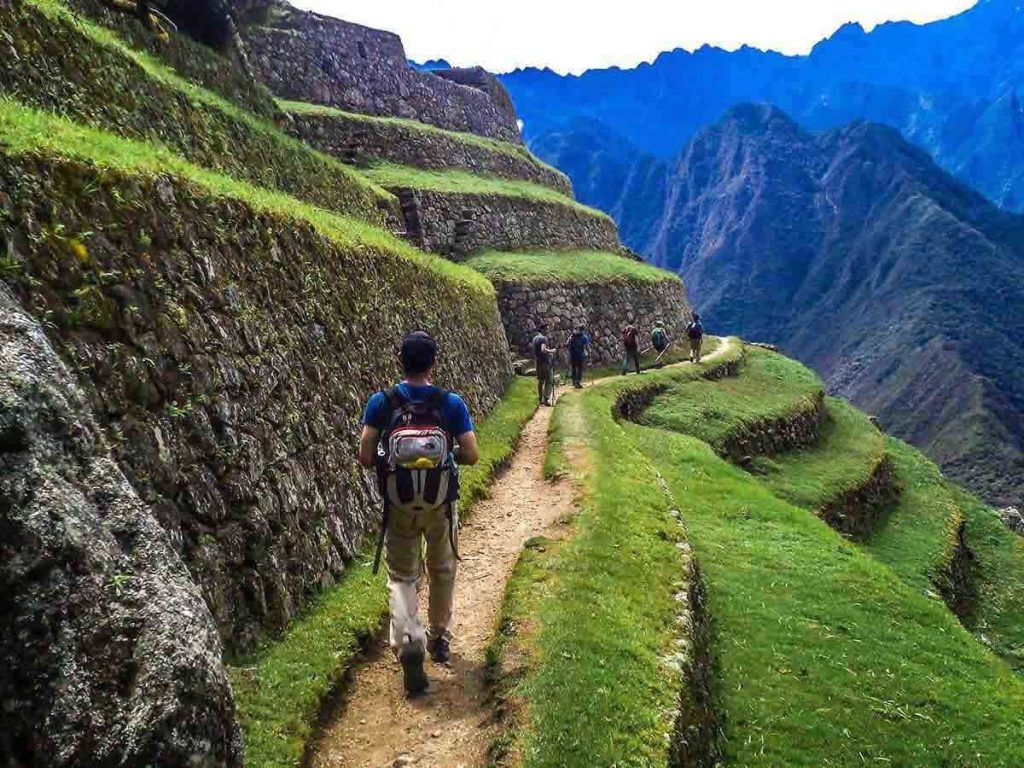
Granite houses and ceremonial buildings fill the main citadel of Machu Picchu. Terraces stretch nearly 200 yards along the steep slopes, each standing about 10 feet high. These terraces once grew food for those living in the ruins.
It amazes us to see the giant stones, carried by hand up mountain trails and set without mortar. Each rock fits like a puzzle piece. Walking through the main plaza, we spot temples and old residences circling us from all sides.
The careful layout shows both defense and deep spiritual meaning from Pachacuti’s time between A.D. 1420 and 1530. This place stayed hidden during the Spanish conquest, leaving its stonework just as Hiram Bingham found it in 1911: strong, smartly organized, and unspoiled.
Let’s follow these ancient paths onward to explore Inti Punku, the Sun Gate, that welcomes many travelers on their first view of Machu Picchu below.
The Sun Gate (Inti Punku)
Inti Punku, also known as the Sun Gate, greets us with sweeping views that most of us only see in photos. For hikers on the Inca Trail, this stone gateway was once the original entrance to Machu Picchu. Sunrise here can steal your breath away, as mist slowly lifts from the green valleys and ancient ruins below.
The Incas used this spot for ceremonies and star-watching, which fits perfectly when we stand there soaking up the early morning light. Getting there means a steep climb, but anyone inside Machu Picchu with a Circuit 1 Route 1-C ticket (available from June 1 to October 15 only) can access it. Original Inca stones still line much of the path.
Many travelers count reaching Inti Punku as one of their favorite moments at Machu Picchu. This part stayed hidden from outsiders until Hiram Bingham’s 1911 expedition stunned the world by showing off its beauty for all to see.

The Temple of the Sun
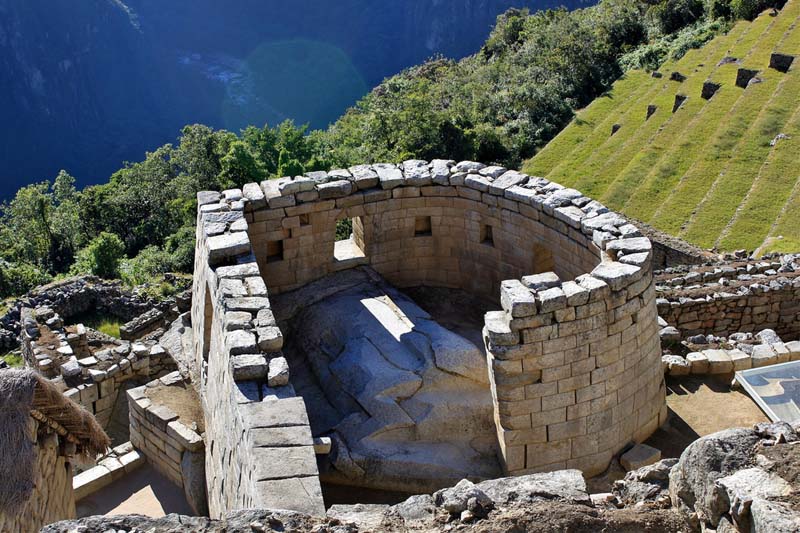
After passing through the Sun Gate, we soon reach one of Machu Picchu’s most important spiritual sites. The Temple of the Sun stands out thanks to its finely cut stones and a curved wall that hugs the rocky hillside. Incas used this spot for both ceremonies and tracking the path of the sun throughout the year.
A trapezoidal window in the temple lines up with sunlight during solstices, creating a glowing effect on stone altars inside. This clever design helped priests mark time and celebrate sacred events. Look close and you’ll spot inscriptions like “A. Lizarraga 1902,” left by early explorers long before tourists arrived from Cusco or Aguas Calientes below.
Only certain visitor circuits allow access to this area, as protecting these ruins matters to everyone who loves Machu Picchu’s story.
Climbing Huayna Picchu: Is It Worth It?
Snagging tickets for Huayna Picchu feels like snagging a golden ticket. Only 400 people get access each day in total, split into timed entry groups. We need to grab them early and book our spot, since these sell out months in advance.
Not everyone can go up together. Crowds stay thin, safety stays high. Only those with guts and good shoes should try it, because that trail does not play around. According to trekking experts, the ascent gains 360 meters of elevation in under one kilometer, making it considerably more demanding than it looks from the photos below.
A fit hiker can manage the round trip in about two to three hours, all while carrying their passport to prove they belong at the checkpoint gate. After squeezing past boulders and hugging the stone walls, we earn bird’s-eye views of Machu Picchu that stick forever in our minds. Those epic shots are worth every shaky step on narrow paths above thick jungle clouds near Aguas Calientes.

Ticket Limits and How to Book
The rush to climb Huayna Picchu is real, and spots get snapped up faster than anyone expects. Only 400 tickets are available each day for this famous peak, divided across morning entry slots. We find that these go quickly, usually months before the trip date.
Booking online is our best shot at grabbing a ticket. The government’s official site shows live availability by passport number, and no same-day trail access, reselling, or name swapping is allowed. Each spot sticks with one person only.
- Book through tuboleto.cultura.pe, not third-party sites, to avoid fake listings.
- Plan at least six months out for peak season visits (May through October).
- Huayna Picchu tickets are bundled with the main Machu Picchu entry pass. Pick both together so nothing slips through.
- Huayna Picchu is restricted to visitors over 18 years old.
If Huayna Picchu is fully booked, Machu Picchu Mountain is a solid alternative. It rises to 3,082 meters, offers arguably better panoramic views of the entire citadel layout from above, and caps at 800 visitors per day, making it easier to book even six to eight weeks out during shoulder seasons.
Difficulty and What to Expect
Climbing Huayna Picchu is no walk in the park. The trail gets steep fast, with narrow stone steps and drop-offs that can rattle even steady nerves. We gain several hundred meters of elevation in what seems like a blink. Our lungs and legs will feel it. Wet weather turns rocks slick, especially during rainy season, so good hiking shoes make all the difference.
For those uneasy about heights or with limited mobility, this trek might push too far. At the top, panoramic views sweep across Machu Picchu and deep green valleys. It feels surreal to stand above the clouds. Coming back down means tackling those same tough steps as before.
Let’s not forget water. Staying hydrated helps us power through this strenuous hike, which many call one of the most iconic challenges at Machu Picchu.
Aguas Calientes: Your Base Before the Big Visit
After all that planning, Aguas Calientes is where we land and catch our breath. This little town sits at the train’s last stop before Machu Picchu itself, nestled at around 6,700 feet above sea level. That lower altitude compared to Cusco’s 11,200 feet makes acclimatization noticeably easier, and most travelers feel the difference quickly.
Lodging fits every wallet, from cozy hostels packed with trekkers’ laughter to plush hotels where soaking tired feet feels like a reward well-earned. Cafes buzz along narrow lanes, serving everything from wood-fired pizza to local trout ceviche for curious taste buds. Hot springs call our sore legs, and it pays off with mountain views while we relax in steaming pools.
Booking rooms early makes sense during busy months because crowds fill beds fast as morning trains roll in for Machu Picchu daybreaks. A smart approach many US travelers use is the “split-stay strategy”: one night in Aguas Calientes for early access to the ruins, then a return to Cusco for the remaining days, where accommodation costs run significantly lower.
Local markets bustle near the plaza with bright handicrafts that tell stories of Inca heritage. Some of us take time for an extra stop: the Machu Picchu Museum helps unpack mysteries found high above in those ancient stones. All roads from Aguas Calientes lead straight uphill, by bus or by foot, to one of history’s greatest sites waiting just around the bend.

Where to Stay
Finding a place to sleep in Aguas Calientes can feel like speed dating, with options ranging from simple hostels to luxury hotels. With around 1.5 million people passing through each year, hotels fill up faster than you can say “Machu Picchu Museum.” Booking ahead using hotel websites or major platforms helps us grab that perfect spot before it’s gone.
According to 2026 accommodation guides, nightly rates in Aguas Calientes break down roughly like this:
| Category | Price Range (Per Night) | Best For |
|---|---|---|
| Budget hostels and guesthouses | $60 to $90 | Solo travelers, backpackers |
| Mid-range hotels | $120 to $250 | Couples, families seeking comfort |
| Luxury hotels (e.g., Sumaq, Inkaterra) | $300 to $600 | Travelers wanting full spa and dining experiences |
| Belmond Sanctuary Lodge (on-site at ruins) | $800 to $1,200 | Ultimate early access and exclusivity |
Staying close to the bus terminal keeps early risers happy. Jumping onto one of the first buses means beating almost everyone else into Machu Picchu itself. Some rooms overlook the Urubamba River or face wild mountain slopes, an epic way to wake up before the big day.
Where to Eat
Colorful cafes and restaurants line the streets around Aguas Calientes. Many spots serve trout fresh from nearby rivers, quinoa soup, or hearty lomo saltado. We can order set menus for breakfast, lunch, or dinner at most places. These usually include a starter, main dish, and a drink at a fair price.
Eating by the river offers mountain views while we enjoy our meals. Restaurants along Avenida Pachacutec are popular tourist spots. For a local favorite, Indio Feliz is a frequently recommended stop for well-prepared Peruvian dishes. Vegetarian and vegan travelers have plenty of choices too, since most restaurants offer plant-based dishes using Sacred Valley vegetables.
During high season, tables fill fast in popular restaurants. Making a reservation helps us avoid long waits after exploring Machu Picchu’s wonders all day. Checking real-time reviews before sitting down can save us from a disappointing meal after a long hike.
The Hot Springs
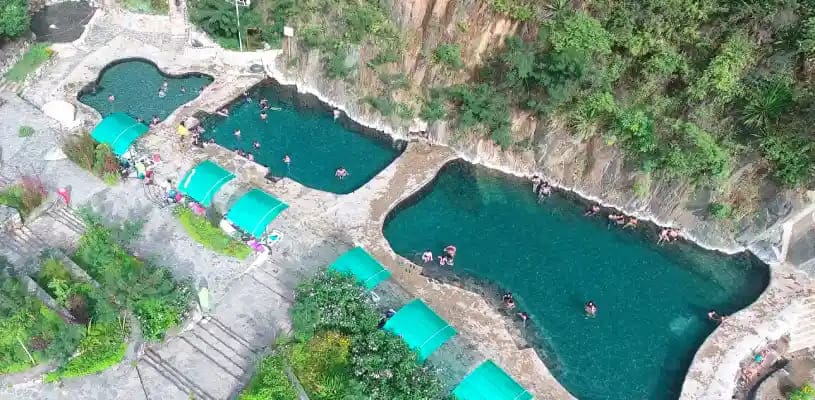
Soaking in Aguas Calientes’ hot springs feels like heaven after hiking Machu Picchu or wandering the ruins. The mineral pools, filled with natural thermal water, sit a short walk from most hotels. Entry costs a small fee, and we can rent towels and lockers on site. Changing rooms, showers, and snack bars make it easy to relax without worry.
Local guides often suggest these thermal baths for muscle recovery, especially if our legs feel sore from trekking. Pools range in temperature, from as warm as a perfect bath to cool enough for kids. Afternoons and evenings get packed fast, so going earlier in the day gives us more space and a quieter experience.
Essential Machu Picchu Travel Tips for 2026
Traveling to Machu Picchu is a dream, but being prepared makes it so much better. Here’s what we’ve found actually makes a difference for a smooth 2026 trip.
- Arrive at the entrance before sunrise to catch the light over the ruins and skip the heavy crowds that pack in later.
- Book entry tickets and trek permits, like those for Huayna Picchu or Salkantay, online well in advance. These sell out months ahead every year, and Circuit 2 is the fastest to go.
- Spend two to three nights in Cusco or Aguas Calientes first. Our bodies need time to adjust to the high altitude of 7,500 feet so we don’t feel sick on site.
- Wear layered shirts, a light jacket, rain protection, and strong sneakers. Weather changes fast and walking trails can get slippery or steep.
- Always keep your passport handy. Entry checks are strict and names must match exactly on both documents and tickets.
- Take sunblock, a wide-brimmed hat, sunglasses, and enough water. UV rays hit hard this high up even if clouds roll in.
- Guided tours help us discover hidden stories from certified guides who know things signs never mention. Solo visits work fine too, as the site uses color-coded signage and official audio guide apps are available.
- Travel insurance is smart. Choose one that covers altitude sickness treatment plus any sudden flight or train cancellations common during Peru’s rainy season.
- Pack snacks like nuts or fruit bars. Food options are limited inside the grounds, and no one wants hunger pangs stealing from the mountain magic.
- Respect all rules: No drones, no climbing forbidden walls, and always stick to marked circuits mapped by Peru’s Ministry of Culture for everyone’s safety. Bags larger than a small daypack must be checked outside the ruins gate.
Travelers come home with stories brighter than Machu Picchu’s sunrise. Preparation makes each moment count.
Best Time to Arrive
Getting to Machu Picchu right at sunrise treats us to clear skies and fewer crowds. Early entry slots fill fast, especially during the dry season from May through September, since this is when rain is rare and mornings shine brightest. Sunrise here feels magical. Clouds often linger low, making those first golden rays even more striking for photos.
Late morning brings swarms of visitors as trains from Ollantaytambo arrive and tour groups spread out across the site. The daily schedule runs three entry shifts: early morning (6 AM to 9 AM), late morning (9 AM to 12 PM), and early afternoon (12 PM to 3 PM). The 6 AM slot is widely considered the most rewarding, giving us the ruins practically to ourselves for those first precious moments.
Arriving in Aguas Calientes the day before lets us line up for one of those prized early tickets without racing against time or missing sleep. Now that we have our timing sorted out, let’s talk about what we need for a smooth visit.
What to Wear and Bring
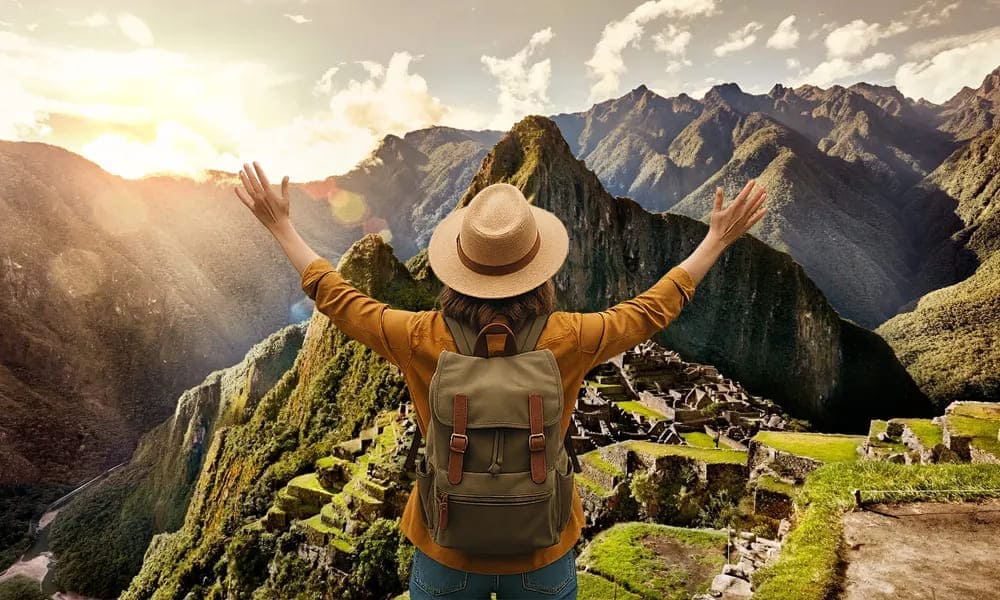
Layering up with shirts, light sweaters, and a rain jacket keeps us ready for wild weather swings at Machu Picchu. Mornings can bite with cold air while the afternoon sun feels like summer. A poncho or waterproof shell blocks sudden showers, especially from November through March.
Comfortable sneakers or trail shoes grip those uneven stone paths safely. Slippery steps make quick work of sandals. A small daypack fits entry rules better than a bulky backpack, which must be checked outside the ruins gate.
Here’s a quick checklist for what to pack:
- Refillable water bottle and snacks (granola bars, nuts, dried fruit)
- Sun hat and sunglasses for high-altitude UV rays
- Sunscreen, even on cloudy days
- Rain jacket or poncho
- Walking sticks with rubber tips (required to protect ancient stones)
- Passport for entry checks
- Camera (drones are strictly prohibited)
Toss in a trash bag too. Tossing waste isn’t allowed, so we pack out what we bring in.

Altitude and Acclimatization
Machu Picchu sits high, over 7,500 feet above sea level. Many of us feel the effects quickly. Headache, nausea, and fatigue are usual signs of altitude sickness here. We should always spend at least two to three days in Cusco (which sits at a much higher 11,200 feet) or the Sacred Valley before pushing ourselves too hard.
In our experience, drinking plenty of water works wonders. Skipping alcohol helps as well. Some try coca tea or use medication like Diamox prescribed by a doctor for relief from symptoms. While resting those first couple of days, we keep things easy. No big hikes just yet.
Aguas Calientes has only basic clinics. If we face serious trouble, getting treatment in Cusco is safer. Trekking routes like Salkantay and the Inca Trail climb even higher than Machu Picchu itself. That’s all the more reason to take acclimatization seriously right from day one.
Guided vs. Solo Visits
Licensed guides wait at the main gate, eager to share stories and facts. Those of us craving deeper history find real value in them, especially with new circuits and updated site rules for 2026. Group tours might be lighter on the wallet but often move at a fixed pace, which isn’t ideal if we want the freedom to linger at the Intihuatana or the Temple of the Three Windows.
Going solo means sticking to marked paths and keeping pace with our own curiosity. Official audio guide apps and color-coded circuit signage fill knowledge gaps without costing extra. One route may take just two hours; another could stretch to four. No one hurries us except the clock or our own feet.
Pro tip: Even if visiting solo, hiring a guide for a single two-hour session at entry and then exploring independently afterward gives the best of both worlds without the full group tour cost.
FAQ: Common Questions About Visiting Machu Picchu
When is the best time to visit Machu Picchu in 2026?
For our 2026 travelers, we recommend aiming for April or September to find the perfect balance. You will catch the clear skies of the dry season without competing with the 5,600 daily visitors permitted during the peak summer months.
Do I need to book tickets in advance?
Yes, because daily visitors are strictly capped at 5,600 during the 2026 high season, we strongly urge you to book your tickets, especially the highly coveted Circuit 2, at least four to six months in advance.
How do visitors get to Machu Picchu?
Your journey will likely begin with a quick flight from Lima to Cusco, where you will need a day or two to adjust to the altitude. From there, we usually book our guests on a scenic PeruRail or Inca Rail train to the town of Aguas Calientes, followed by a 30-minute Consettur bus ride straight up to the citadel entrance.
What should I pack for the visit?
We always advise our travelers to wear sturdy walking shoes and pack layers, as the mountain weather changes rapidly. Make sure your daypack is smaller than 15 by 13 by 8 inches to comply with the strict 2026 entry rules, and leave any selfie sticks or tripods at the hotel since they are strictly banned from the site.

Tania Leimbach
Traveler from Australia who spent some time in Peru in the Summer of 2009. Contributed to the Karikuy blog briefly in that time period.
- Tania Leimbach

- Tania Leimbach

- Tania Leimbach


