


Planning your journey to Machu Picchu is already epic — but choosing the right trail to get there? That’s where things get interesting. The Salkantay vs Lares trek debate isn’t just about distance or difficulty; it’s about the kind of adventure you want.
It’s not always easy to choose which one fits you best.
Need Quick & Easy Trip Planning? We Can Help..


Free Itineraries Based on your Schedule & Budget
Booking Assistance for Hotels, Flights and Transfers
24/7 Customer Support & Personal Travel Advisors
It’s normal to wonder about these treks and what makes each unique. After exploring both options, one thing becomes clear: they’re incredible in their own ways! The Salkantay Trek offers stunning views of snow-capped peaks and takes you straight to Aguas Calientes.
On the other hand, the Lares Trek provides peaceful paths and an up-close look at Andean traditions.
This guide will help you weigh your options—difficulty, scenery, cost, and crowds—so you can decide which trek matches your adventure style. Keep reading for answers that make planning easier!
Salkantay and Lares Table of Contents
Salkantay vs Lares Trek Key Takeaways
- The Salkantay Trek is harder and reaches 4,600 meters. It suits experienced hikers seeking snowy peaks, cloud forests, and direct access to Machu Picchu.
- The Lares Trek offers cultural immersion with Andean village visits, weaving demos, and quiet trails. It climbs higher at 4,750 meters but feels less demanding.
- Salkantay costs $500–$600 for five days due to simpler logistics. Lares costs $550–$600 in four days because it includes a train ride to Aguas Calientes.
- For fewer crowds and rich culture during wet months (November-March), the Lares Trek is ideal. Dry season (April-October) fits Salkantay for better conditions and views.
- Both treks bring amazing scenery: rugged glacier lakes like Laguna Humantay on Salkantay or serene hot springs near Lares Valley villages.

Overview of Salkantay vs Lares Trek

Salkantay and Lares treks both lead to the awe-inspiring Machu Picchu, but they offer very different adventures. These hikes highlight the stunning beauty of the Peruvian Andes, each with its own unique charm and challenges.
Understanding their differences can help us choose a trek that fits our style.
The Salkantay Trail is known for its wild landscapes, climbing as high as 4,600 meters (15,092 feet). This route takes you past towering snowy peaks like Apu Salkantay and through misty cloud forests.
Meanwhile, the Lares Trek explores Andean culture by passing through remote villages in Cusco’s Sacred Valley. At Paso Cóndor, it soars up to 4,750 meters (15,583 feet), treating hikers to amazing views of glacial lakes and peaceful valleys while avoiding crowds.
Each path feels alive: one tells nature’s untamed story; the other shares deep cultural roots.
Now let’s uncover what makes the Salkantay Trek special.
Salkantay Trek: Key Features
The Salkantay Trek is a thrilling journey through the Andes, offering unforgettable views and challenges. It’s perfect for adventurers who crave high-altitude landscapes and pristine nature.
Difficulty Level and Physical Challenge
Salkantay Trek is no walk in the park. It’s a tough climb, best for experienced trekkers who enjoy a challenge. The highest point hits 4,600 meters (15,092 feet), so altitude sickness can be an issue.
We start at 3,600 meters and drop to just 1,000 meters by the end. That’s some serious elevation change! Campsites range from chilly heights of 3,900 meters to more moderate spots at 2,750 meters on the third night.
The trail demands stamina with steep climbs and long days of hiking. Dry season is key for safety since February brings risks of mudslides. Expect about four days on foot after a drive from Cusco to Soraypampa.
This trek tests our legs but rewards us with breathtaking views of towering peaks and lush forests along the way!
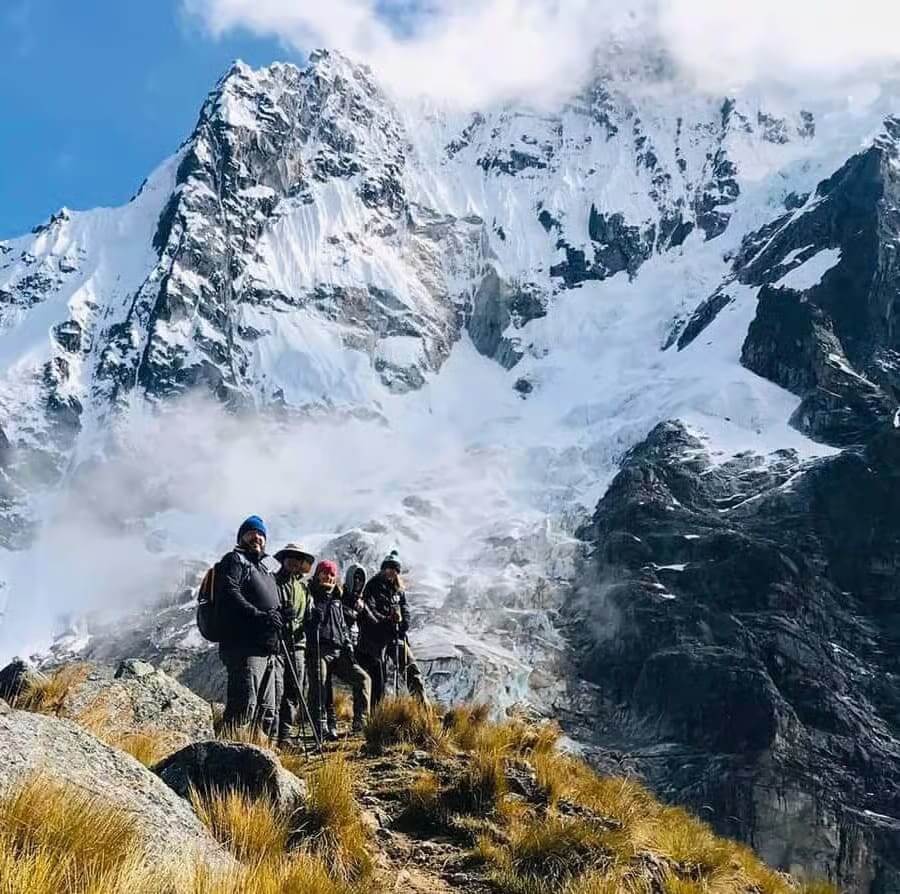
Scenic Highlights: Snow-Capped Peaks and Cloud Forests
Towering peaks dominate the Salkantay Trek. The snow-capped Salkantay Mountain rises to 6,271 meters, leaving us speechless with its icy glow. High alpine vistas offer crisp air and breathtaking views of Andean tundras below.
Dense cloud forests lie further along the trail, where lush greenery swallows us in a humid embrace.
Laguna Humantay steals the show early on—a stunning glacial lake reflecting turquoise waters against rugged cliffs. Descending through coffee farms adds warmth and charm to the trek’s changing landscapes.
Nights reveal the Southern Cross constellation shining brightly over these majestic heights during rainy months like February. Each step feels rewarding as we pass from icy peaks into vibrant jungle life below!
Crowds and Popularity
Salkantay Trek buzzes with activity, especially during peak season from April to October. It’s the second most popular route after the Inca Trail, so it attracts many hikers. Groups fill up campsites quickly, and interaction with other trekkers is constant.
The trails can feel lively but lack solitude.
Because of this popularity, services are well-organized along the Salkantay trail. More people means better infrastructure like guided tours and supplies at stops. On the flip side, Lares Trek offers peace for those wanting a quieter journey without crowds pressing in at every turn.
Direct Access to Machu Picchu
The Salkantay Trek leads straight to Aguas Calientes, the gateway for Machu Picchu. After hiking, we hop on a bus that takes us directly to the entrance of this ancient citadel. This skips the longer Sun Gate hike many expect from other routes.
This direct path makes it easy to reach Machu Picchu after several days of trekking through Andean landscapes. It’s efficient and ideal for those who want less hassle at the finish line.
Tickets are pre-arranged in most tour packages too, saving time and energy!

Lares Trek: Key Features
The Lares Trek feels like stepping into a quiet, timeless Andean valley. It’s perfect for those craving calm trails and rich cultural encounters.
Cultural Immersion and Andean Communities
We get to meet Andean communities face-to-face on the Lares Trek. Local villagers welcome us into their world, sharing traditions passed down for centuries. We visit rural schools and weaving groups where we see backstrap looms in action.
Watching skilled weavers create colorful textiles feels like stepping into history.
Llamas and alpacas wander near the trail, especially early on. These animals are part of daily life here, just like the traditional farming methods we observe as we hike past fields and homes.
Locals also join us as porters or cooks, giving us plenty of chances to chat and learn more about their lives in this remote region of the Urubamba mountains.

Scenic Highlights: Valleys, Glacial Lakes, and Hot Springs
Lares Trek offers jaw-dropping views of quiet valleys and glacial lakes. The alpine scenery is nothing short of magical. As we hike past rugged peaks, the shimmering blue waters of these high-altitude lakes leave us in awe.
Standing at 15,583 feet, we feel like we’re on top of the world.
The Lares hot springs are a treat for tired legs. Surrounded by Andean tundra and endless mountain vistas, soaking here feels surreal. Traditional villages dot the landscape, painting a picture straight out of an Incan storybook.
This serene backdrop invites us to explore more cultural wonders along the trail!

Less Crowded, More Intimate Experience
The quiet trails of the Lares Trek feel like a hidden gem. Compared to the busy Salkantay Trail, this route offers us peace and solitude. Campsites are calm, even during peak trekking seasons.
Fewer hikers mean smaller groups, creating closer bonds with fellow travelers and locals.
We can enjoy unspoiled views of the Andean region without dodging large crowds. The tranquility lets us truly soak in glacial lakes and vast valleys along the way. For those who value personal connection over tourist-packed paths, this trek feels just right!
Indirect Access to Machu Picchu
The Lares Trek wraps up in the Sacred Valley. From there, we take a train from Ollantaytambo to Aguas Calientes. This scenic ride adds charm but also bumps up costs with round-trip tickets.
Once in Aguas Calientes, a bus takes us to the Machu Picchu entrance.
Unlike the Salkantay Trail, this route doesn’t lead straight into Machu Picchu. Instead, it offers flexibility. We can even add optional adventures like the Short Inca Trail hike if time allows.
It feels less rushed and lets us soak in more along the way!

Comparing the Difficulty Levels: Salkantay vs. Lares Trek
Trekking difficulty can significantly impact your adventure. Let’s present a clear comparison to help you evaluate Salkantay and Lares side by side.
| Aspect | Salkantay Trek | Lares Trek |
|---|---|---|
| Elevation | Highest point: 4,600 meters (15,092 feet). Expect steep climbs and rapid elevation changes. | Highest point: 4,750 meters (15,583 feet). Easier pacing despite high altitude. |
| Physical Challenge | Harder. Consistent uphill pushes, tough descents, and long trekking days. | Moderate. Daily distances are shorter, making it more beginner-friendly. |
| Daily Distance | Typically covers longer stretches, clocking 5-8 hours per day. | Shorter walks. Average hiking time is about 4-6 hours daily. |
| Duration | Longer. Standard itinerary is 5 days, including the trek to Machu Picchu. | Usually 4 days. Time on the trail is slightly shorter overall. |
| Steepness | Steeper paths with greater altitude shifts. Perfect for seasoned hikers. | Gradual inclines. Less strain on the knees and lungs. |
| Weather Conditions | Colder at higher passes, especially near Salkantay Mountain. | Cold but manageable. Less extreme compared to Salkantay. |
| Accessibility | Requires a 3-hour drive from Cusco to the trailhead. | Needs a longer 4-hour drive to start the trek. |
If you’re seeking rugged landscapes and challenging trails, Salkantay offers a true test of endurance. In contrast, Lares provides a smoother, less intense hiking experience. Choose thoughtfully!
Cultural Experiences: Which Trek Offers More?
The Lares Trek immerses us in Andean culture. We visit local schools, weaving associations, and even see how families live. Many of the trek staff are from nearby villages, so we get real connections with local people.
Since 2007, this route has supported community schools too. It feels heartwarming to join their daily routines.
Salkantay focuses more on nature than culture. Interactions with locals are rare here compared to the Lares Valley experience. True cultural moments shine brightest on Lares Trek for those who want deeper engagement with traditions and lifestyles.
Now let’s explore the stunning landscapes each path offers!

Landscape and Scenic Diversity: Key Differences
Salkantay stuns with its changing scenery. We start at snowy peaks like Salkantay Mountain, towering at 6,271 meters. The trail passes glacial lakes such as Laguna Humantay before dropping into lush cloud forests filled with coffee farms and vibrant wildlife.
Its dramatic shift from icy heights to verdant jungle keeps every step exciting.
Lares Trek feels serene and steady. It winds through quiet valleys, high-altitude tundra, and sparkling glacial lakes surrounded by the Urubamba range. Hot springs in Lares offer a soothing break, while rolling landscapes stay consistently breathtaking at over 4,750 meters above sea level.
Both routes amaze but strike different chords in our hearts!

Accessibility to Machu Picchu: Direct vs. Indirect Routes
Getting to Machu Picchu differs with each trek. The Salkantay Trail offers direct access after the hike. From there, we can take a bus straight to the famous Machu Picchu Citadel. It’s quick and smooth for those wanting less extra travel time.
The Lares Trek works differently. After hiking, we hop on a train from Ollantaytambo to Aguas Calientes. Then, a short bus ride takes us up the mountain. This route adds scenic views along the railway but stretches out the journey slightly longer.
For those combining it with the Short Inca Trail, arriving at Sun Gate feels magical!
Crowds and Popularity: Choosing Based on Preference
Salkantay Trail buzzes with life, especially between April and October. Campsites brim with hikers, creating a lively atmosphere. If we enjoy chatting with fellow travelers and making friends on the trail, this trek is perfect.
Its popularity also brings better facilities and support along the way.
Lares feels like a hidden gem in comparison. Even during peak months, it offers peace and quiet. Few trekkers take this route, so every campsite feels calm. This makes Lares ideal for those of us who want solitude or deeper connections with locals instead of large crowds.
It’s all about what experience we crave most!
Who Should Choose the Salkantay Trek?
The Salkantay trek is perfect for adventurers who love a physical challenge. High-altitude trails and rugged paths make it ideal for experienced hikers. This route offers stunning landscapes like snow-capped peaks, lush cloud forests, and the Andean jungle.
Plus, it leads you directly to Machu Picchu without requiring a train ride.
It’s also great if you enjoy trekking in social settings. The popularity of this trail means there are plenty of chances to meet other travelers along the way. Those on a budget will appreciate that it’s more affordable than the Lares Trek too.
If dramatic scenery and an active adventure sound exciting, this trail might be your best fit!
Who Should Choose the Lares Trek?
The Lares Trek fits those who want cultural immersion. We meet Andean communities, watch traditional weaving, and see llamas and alpacas up close. It offers a quieter path with fewer people around, perfect for travelers craving solitude.
Hiking here feels relaxed compared to tougher treks like the Salkantay Trail.
This trek shines during the wet season from November to March when other routes become tricky. The Lares route also pairs well with a scenic train ride to Machu Picchu at the end. It’s ideal for families or those less focused on physical challenges but eager to support local schools and villages along the way.
Salkantay vs Lares Trek Conclusion
When it comes to the Salkantay vs Lares trek, there’s no one-size-fits-all answer — and that’s exactly what makes the decision so exciting. If you’re drawn to raw natural beauty, physical challenge, and a direct route to Machu Picchu, the Salkantay Trek delivers a rugged, unforgettable journey. If you’re more interested in meaningful cultural encounters, tranquil paths, and hidden gems of the Andes, the Lares Trek is your calling. Whichever trail you choose, you’re in for an awe-inspiring adventure that will leave you breathless — and not just from the altitude.
Salkantay vs Lares Trek FAQ
What are the main differences between the Salkantay and Lares treks to Machu Picchu?
The Salkantay trek is known for its stunning mountain views, including snow-capped peaks like Salcantay. The Lares trek focuses more on cultural experiences, passing through remote villages where you can learn about local traditions.
Does either trek include Inca ruins or archaeological sites?
Yes, both treks offer chances to see Inca history. On the Salkantay trail, you can visit Llaqtapata near Machu Picchu. The Lares route doesn’t pass as many ruins but provides insight into how the Incas lived in these regions.
Which trek is harder: Salkantay or Lares?
The Salkantay trail is generally tougher due to higher altitudes and longer hiking days. The Lares route has easier paths but still challenges hikers with steep climbs.
Can I hike these trails without a guide?
It’s possible to hike parts of these routes alone, but guided tours like those from Happy Gringo Tours make logistics much easier. They handle permits and offer insights about places like Llactapata Archaeological Site or Vilcabamba while ensuring safety on your journey!

Angel Ponce
Ángel is a passionate traveler and cultural enthusiast with over 5 years of experience in the tourism sector in Peru. Originally trained in Administration, he is currently expanding his expertise by specializing in Software Engineering, combining his love for travel with a growing passion for technology.
Born and raised in Peru, Ángel has always been fascinated by his country's rich cultural heritage, diverse landscapes, and especially its world-renowned cuisine. His early experiences exploring Peru include climbing the majestic Pastoruri Glacier as a child—a memory that sparked his lifelong connection to the country's natural beauty. Today, he enjoys exploring Peru’s coastal gems and sharing his insights with fellow travelers.
Ángel is deeply knowledgeable about Peru's history, traditions, and hidden cultural treasures. He enjoys creating meaningful travel experiences that help visitors connect with the authentic soul of the country. In his free time, you'll often find him diving into programming books, continuously learning and merging his two great passions: technology and travel.
With a unique blend of local expertise, cultural appreciation, and technical skills, Ángel brings a fresh and insightful perspective to Peru’s travel industry.
- Angel Ponce

- Angel Ponce

- Angel Ponce

- Angel Ponce


