


Planning a trip to Cusco and only thinking about Machu Picchu? That’s totally understandable. Most guides focus on the famous ruins, leaving you unsure about what else this magical city has to offer.
It can feel tricky figuring out how to make the most of your time there.
Need Quick & Easy Trip Planning? We Can Help..


Free Itineraries Based on your Schedule & Budget
Booking Assistance for Hotels, Flights and Transfers
24/7 Customer Support & Personal Travel Advisors
Here’s something you might not know: Cusco isn’t just a stop on the way to Machu Picchu—it’s an adventure in itself. The city is rich with history, culture, and hidden gems waiting to be explored.
Fun fact: Did you know Cusco was once the capital of the Inca Empire? No wonder its streets are filled with stories and treasures.
In this guide, we’ll share some of the best things to do in Cusco beyond visiting Machu Picchu. By the end, you’ll have plenty of inspiration for exploring this incredible city and its surroundings.
We’ll share all the details!
Best Things to Do in Cusco Table of Contents
Best Things to Do in Cusco Key Takeaways
- Cusco is rich in history and culture, once serving as the capital of the Inca Empire. Key landmarks include the Cusco Cathedral (built from 1559 to 1669) and Qoricancha.
- Explore local gems like San Pedro Market, famous for foods like lucuma fruit or Andean meals, and shop for handmade crafts in the artsy San Blas District.
- Sacsayhuamán showcases incredible Inca engineering with massive stones weighing up to 125 tons. Nearby, Cristo Blanco offers panoramic views of Cusco.
- The Sacred Valley holds treasures like Maras Salt Mines (3,000+ pools), Moray’s circular terraces with microclimates, and vibrant markets in Chinchero.
- Free walking tours around Plaza de Armas provide insights into historical landmarks such as Hatun Rumiyoc Street’s Twelve-Angled Stone while supporting local guides through tips!

Historic and Cultural Highlights in Cusco
Cusco’s streets are a living museum, where every stone has a story. Beyond Machu Picchu, the city itself offers an immersive journey through ancient Inca landmarks and Spanish colonial architecture. These cultural and historical sites reveal the depth of Cusco’s legacy and are essential for understanding its role as the heart of the Inca Empire.
Explore the Historic Plaza de Armas

Let’s head straight to the center of Cusco, the Plaza de Armas. This vibrant square is steeped in history. We’ll find stunning buildings like the Cusco Cathedral and the Compañía de Jesús Church.
Their baroque designs will captivate us.
The area is full of activity day and night. Local cafes invite us to relax, while restaurants serve delicious Peruvian cuisine. At night, lively bars offer some of Cusco’s best nightlife spots nearby.
The Plaza also hosts major city events and festivals throughout the year, making it an energetic place regardless of when we visit! Plus, those picturesque views are ideal for photos to cherish our trip forever!
Visit the Cusco Cathedral
The Cusco Cathedral is a masterpiece. Construction began in 1559 and lasted 110 years, finishing in 1669. Its grand Renaissance and Baroque styles leave you speechless. The fourteen strong pillars inside are awe-inspiring.
Many pieces of artwork here belong to the famous Cusco School of Art.
Entry costs $11 per adult and $7 per child, with tickets including access to El Triunfo and La Sagrada Familia chapels nearby. Early visitors can join worship from 6:00 AM to 10:00 AM for free.
This landmark stands proudly at the Plaza de Armas, where it served as a stronghold against Inca sieges long ago.
History resonates through every stone.
It also plays a key role during the Inti Raymi Festival on June 24 each year—a sight to cherish!
Admire the Qoricancha (Temple of the Sun)
Stepping out of the Cusco Cathedral, we find Qoricancha nearby. Once coated in gold, this temple was the heart of Incan worship and culture. Its walls shone under the sun’s rays, reflecting its sacred importance to the Incans.
Though much of that gold is gone now, we can still see the incredible stonework they created.
Today, it forms part of the Santo Domingo Monastery. The mix of colonial and Inca styles here tells stories of history and change. As one strolls through its halls, it’s easy to imagine how grand ceremonies like Inti Raymi started at this very spot.
It offers so much insight into ancient traditions without needing a guidebook!
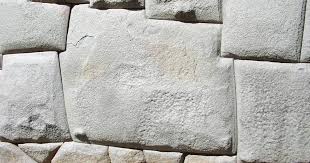
Marvel at the Twelve Angled Stone
Hatun Rumiyoc Street holds one of Cusco’s treasures. The Twelve Angled Stone sits perfectly in the wall of the Archbishop’s Palace. This ancient piece shows how skilled Inca builders were.
Its twelve sides fit so precisely, no mortar was needed. It’s not just a stone; it’s history carved into walls.
We love watching tourists line up to snap photos here! The spot is easy to reach from Plaza de Armas, and it’s always buzzing with energy. Every visit reminds us how advanced the Incas were at engineering and design.
Stroll Through the Pre-Columbian Art Museum
The Pre-Columbian Art Museum is a treasure trove of ancient beauty. It sits close to Cusco’s main square, making it easy to find. Housed in a stunning colonial mansion, the museum showcases masterpieces from Peru’s early cultures.
The gold work shines with intricate details, while the ceramics tell stories of daily life and beliefs. We loved marveling at the delicate textiles that survived centuries.
Each corner reveals something new about pre-Inca civilizations. The exhibits highlight artistic skills long before the Incas rose to power. Guided tours help explain the rich history behind these artifacts, giving us a deeper connection to Andean traditions.
If you enjoy learning about ancient art and culture, this place will amaze you!

Attend a Traditional Festival in Cusco
After soaking in the views from Limbus Restobar, we explore Cusco’s vibrant festival scene. Inti Raymi, held every June 24, stands out as a highlight. This grand celebration honors the Incan sun god and marks the winter solstice.
Over 300 performers bring ancient rituals to life with colorful costumes and dances.
The main ceremony takes place at Sacsayhuamán, while smaller events happen at Qorikancha and Plaza de Armas. Tickets for Sacsayhuamán cost around $100 but are truly valuable for this UNESCO-recognized cultural treasure.
During the week of festivities, lively music fills hotel courtyards and streets come alive with parades. It’s an unforgettable experience for your senses!

Take a Free Walking Tour to Learn Cusco’s History
Exploring Cusco on foot is one of the best ways to uncover its rich history. Free walking tours offer great insights into the city’s Inca and colonial past.
- Tours usually begin at the Plaza de Armas, the heart of Cusco, making it easy to find your starting point. Local guides often meet groups near the main fountain.
- These tours cover key landmarks like Hatun Rumiyoc Street and showcase gems like the Twelve-Angled Stone. You’ll marvel at how perfectly these ancient stones fit together.
- Most tours last 2–3 hours, giving plenty of time to explore without feeling rushed. Wear comfy shoes since you’ll be walking along cobblestone streets.
- Guides are either local experts or students who share fascinating stories about Cusco’s history, from Incan emperors to Spanish conquistadors.
- Though free, it’s customary to tip your guide based on your experience. It’s their livelihood after all!
- Walking through Qhapaq Ñan routes offers a peek into ancient roads connecting the vast Incan Empire. You’ll imagine yourself walking where Pachacutec once did!
- Participants often get insider tips for local food spots and unique shopping areas at places like San Pedro Market or nearby alleys teeming with crafts.
- These tours help newcomers learn how the city is laid out while teaching about landmarks such as Koricancha, also called Qoricancha or Temple of the Sun.
- Expect fun facts about baroque churches in town, including Iglesia de la Compañía de Jesús (Church of the Society of Jesus), which shows grand colonial influence.
- The guides bring history alive through personal touches and humor, keeping things entertaining while informative throughout each step of the walk!
Neighborhoods, Markets, and City Life
Want to experience Cusco like a local? Its neighborhoods, markets, and quirky local spots are bursting with life, creativity, and character. Whether you’re sipping hot chocolate in a bohemian café or bartering for textiles in a buzzing market, this side of Cusco connects you with the everyday rhythm of the city.
Wander Through the Bohemian San Blas District
San Blas feels like a painter’s dream. The streets are narrow, with blue doors and bright walls that seem to whisper stories of the past. Artists sell handmade crafts everywhere, from intricate jewelry to woven textiles.
Many even offer weaving classes if we want to get creative.
The Mirador de San Blas is just 15 minutes from Plaza de Armas. The climb might leave us breathless, but the views make it worth every step! We can sip coffee at a nearby café or stroll through the market for fresh produce and snacks.
This district truly captures Cusco’s artistic soul with its laid-back vibe and local charm.

Shop at the Vibrant San Pedro Market
San Pedro Market buzzes with color and life. Just a 10-minute walk from the main plaza, this spot is perfect for tasting local flavors and finding souvenirs. We loved sampling exotic fruits like lucuma and granadilla.
Vendors also sell “Chuta” bread, fresh cheeses, and hearty Andean meals at budget-friendly prices.
The market’s layout makes strolling easy. Cheery locals greet visitors, offering textiles, alpaca wool clothing, or handmade jewelry. Practicing Spanish here is fun too! Open daily from 6:00 AM to 5:00 PM, it’s great even for early risers.
Joining a cooking class? Many start their day by picking ingredients right in these aisles!

Visit the ChocoMuseo for a Sweet Experience
ChocoMuseo fills your senses with the rich aroma of cacao. Nestled in Cusco’s historic center, it’s a fun stop for all ages. We explored how Peruvian chocolate is made, from bean to bar.
The hands-on workshops let us create our own chocolate treats, which was both messy and exciting!
Free tastings were everywhere, teasing our taste buds with bold flavors. Learning about cacao’s history in Peru added a deeper layer to the visit. Before leaving, we grabbed artisanal chocolates as souvenirs.

Relax at Limbus Restobar with Panoramic Views
Limbus Restobar gives some of the best views of Cusco. It sits high in the San Blas neighborhood, just a short uphill walk from the center. We love sipping cocktails on their terrace as the sun sets over the city’s rooftops.
The warm glow makes every photo look perfect.
The food here blends modern flavors with traditional Peruvian dishes. Their ceviche is fresh and full of flavor, but their Japanese-Peruvian fusion plates also steal the show. Indoor seating works for cool nights, but outside on the terrace feels magical under twinkling lights.
Open late, it’s a top spot to relax after exploring all day!

Capture Photos with Baby Alpacas in the City
Baby alpacas in Cusco are impossible to miss. Their handlers, dressed in bright Andean clothing, often roam near the main square and San Blas neighborhood. These animals symbolize Andean culture and bring life to the city streets.
We can snap adorable pictures with them while helping local families earn a living. A small tip of a few soles is customary for each photo session. It’s a fun way to interact with native animals while respecting their gentle nature.
Let’s keep calm around them though; they deserve kindness!

Inca and Archaeological Sites
Cusco is surrounded by fascinating Inca ruins and ancient engineering marvels that deserve just as much attention as Machu Picchu. These sites are perfect for travelers who love exploring off-the-beaten-path history — all without leaving the region.
Discover the Sacsayhuamán Inca Fortress
Sacsayhuamán is a jaw-dropping site, just 20 minutes from Cusco. Built in the 15th century by Inca Pachacuti, it displays the brilliance of Inca engineering. Massive stone blocks, some weighing up to 125 tons, were moved over 12 miles to create its zigzagging walls.
The precision is mind-blowing; you can’t even slide a piece of paper between the stones.
The fortress once served as a key military stronghold and offers panoramic views of the city below. It’s also where Inti Raymi, the Sun Festival on June 24, comes alive with vibrant ceremonies.
Walking through Sacsayhuamán feels like stepping into history itself—a moment frozen in time.

Explore the Sapantiana Aqueduct
The Sapantiana Aqueduct feels like stepping back in time. Built in 1565, this colonial masterpiece features four levels of stone arches. Jesuits constructed it between the 17th and 18th centuries to carry water into Cusco.
It served the city until the 1950s but was hidden from sight for decades.
This spot is now a favorite for photos since its rediscovery in 2020. The aqueduct sits just a short walk from Cusco’s historic center. Its rugged charm and towering arches make it perfect for urban explorers and photographers alike.
Best of all, visiting won’t cost you a penny!

Discover the Tipón Inca Ruins
After exploring Moray, we can head to Tipón. It’s a hidden gem about an hour from Cusco. The site has stunning stonework and advanced water channels. These aqueducts once served as irrigation for the Incas and are still flowing today.
The design shows how skilled they were with engineering.
Tipón might have been a resting spot for Inca nobles or used in water worship ceremonies. Unlike Sacsayhuamán, it feels quiet and peaceful here, surrounded by green mountains. Our general tourist ticket covers entry, so there’s no extra cost to visit! Let’s not miss trying “cuy al horno,” roasted guinea pig, which is famous in this area.

Art, Textiles, and Local Craftsmanship
Cusco is also a hub for traditional Andean artistry. Whether it’s through vivid woven textiles or carefully curated exhibits, these experiences let you connect with Peru’s creative heritage and bring home more than just souvenirs — you bring back stories.
Learn About Textiles at the Centro de Textiles Tradicionales del Cusco
We watched skilled artisans weave intricate patterns at the Centro de Textiles Tradicionales del Cusco. These experts use natural dyes and local materials, keeping ancient Andean traditions alive.
The colors they create come from plants, insects, and minerals—an art passed down for generations.
The center supports families through fair trade practices. We explored a small museum with displays of historic and modern textiles. Handwoven scarves, blankets, and souvenirs filled the shop.
Visitors can even take a weaving class here to try it themselves! This place isn’t just about shopping; it helps preserve Cusco’s culture while boosting its community’s livelihoods.

Scenic Views and Outdoor Spots
If you’re craving fresh air and panoramic views, Cusco delivers. These outdoor locations give you a stunning backdrop of the city and surrounding mountains — perfect for quiet moments or that next Instagram post.
Enjoy the Views from Cristo Blanco
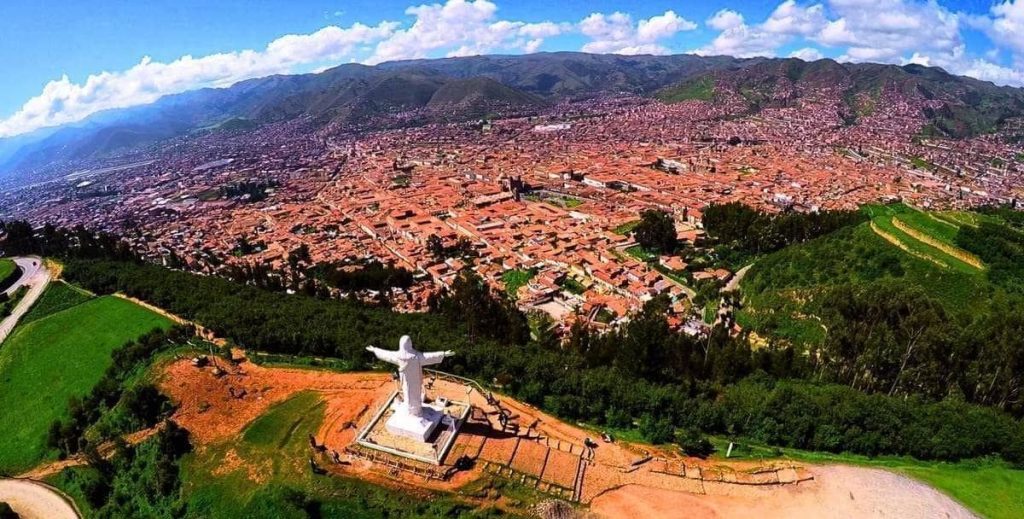
After exploring the art museum, it’s just a short trip to Cristo Blanco. This stunning 26-foot tall statue stands proudly above Cusco. Made of white marble and plaster, it offers some of the best views in the city.
We can walk there in about 10 minutes from Sacsayhuamán or take a taxi for around $22 round-trip. The climb may leave us breathless, but so will the panoramic view of Cusco below.
This spot is perfect for capturing sunsets or snapping memories of the cityscape. Designed by Francisco Olazo Allende and gifted by Palestinian Arabs in 1945, Cristo Blanco holds both beauty and history.
Day Trips and Nearby Wonders
One of the biggest perks of basing yourself in Cusco? You’re just a short trip away from some of Peru’s most jaw-dropping destinations. These day trips let you explore sacred valleys, colorful mountains, and otherworldly ruins — all in one incredible day.
Take a Day Trip to the Sacred Valley
Let’s explore the Sacred Valley, only 73 km from Cusco. We can visit stunning spots like Pisac, Urubamba, Ollantaytambo, Chinchero, Maras, and Moray. Each place shows pieces of Incan history.
At Pisac, just 33 km away, we’ll find amazing terraces and a large ancient cemetery. Ollantaytambo sits 90 km out and feels like stepping back into an old Inca town.
Chinchero lies just 28 km from Cusco and hosts a lively Sunday market full of trades and colors. Maras amazes with over 3,000 salt wells still in use since the Incas’ time. Moray offers something different—circular agricultural terraces designed to test crops at various altitudes.
After soaking up all this beauty and culture in the valley, why not lace up for Rainbow Mountain next?

Hike to the Stunning Rainbow Mountain
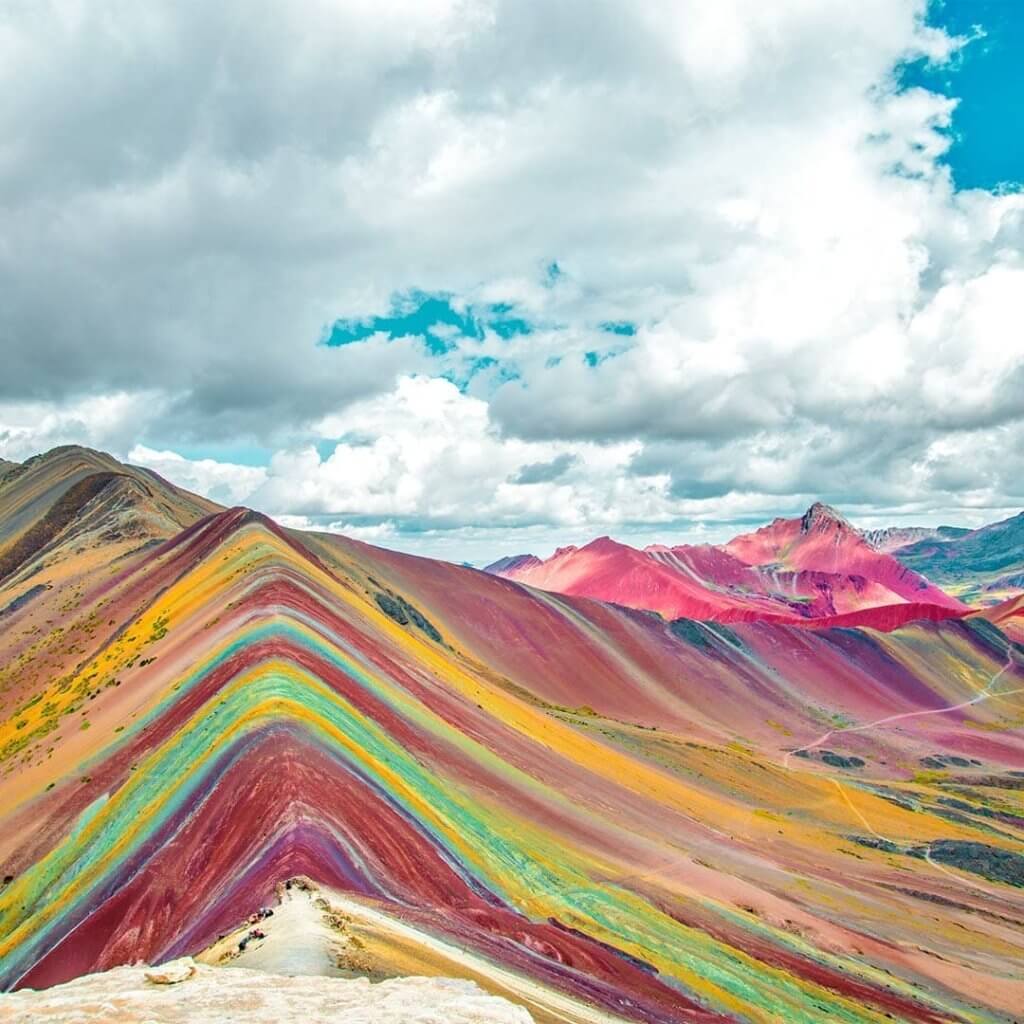
Rainbow Mountain, or Vinicunca, lies about 100 km southeast of Cusco. Its rainbow-like layers come from mineral-rich soil. The hike to the top reaches a staggering 17,000 feet above sea level.
The journey is tough but well worth the reward. Stunning views stretch across the Andes and make every step feel magical.
The entrance fee is $7 for foreigners and $4 for locals. The trail opens early at 6:00 AM and closes by 4:00 PM. For fewer crowds, Palccoyo Rainbow Mountain offers a shorter hike of only 45 minutes with equally colorful sights.
Many visit as part of a day trip or longer trek through this vibrant landscape filled with natural beauty.
Next up is another gem in the area—Maras Salt Mines!
Visit the Maras Salt Mines
After trekking colorful trails, let’s dig into a true marvel of Incan ingenuity: the Maras Salt Mines. Just 50 km from Cusco, this patchwork of over 3,000 salt wells clings to the mountainside like nature’s quilt.
These pre-Columbian pools have supported local families for centuries and still operate today.
We can stroll along narrow paths while watching workers harvest salt by hand. Peruvian chefs and food lovers praise its quality, making it perfect to bring home as a souvenir. Guided tours often pair this visit with stops at Moray or Chinchero for even more adventure in the Sacred Valley.

Explore the Archaeological Site of Moray
Moray sits about 38 kilometers northwest of Cusco in the Sacred Valley. The site boasts massive circular terraces that descend into the earth like a giant staircase. These ancient layers act as an agricultural lab, creating microclimates perfect for testing crops by the Incas.
Scientists say temperature differences between top and bottom levels can reach up to 27°F.
To get there, we take a short hike from the nearest road. The final view is worth every step. Each terrace invites us to imagine how these ingenious farmers worked centuries ago. Don’t forget your camera! This spot offers stunning angles perfect for pictures—especially as sunlight dances across its curves midday!

Culinary Experiences
Cusco’s food scene is as diverse as its culture. From cozy restaurants in San Blas to gourmet spots with a modern twist, here’s where to indulge in the region’s best bites — beyond the basic tourist fare.
Enjoy Local Cuisine at Green Point or Pachapapa
Green Point is a treasure for fresh and flavorful dishes. It serves creative vegetarian options with local ingredients. Their take on Peruvian classics, like quinoa lasagna and vegan lomo saltado, surprises your taste buds.
The cozy atmosphere invites you to relax after exploring Qosqo all day.
Pachapapa offers a more rustic vibe in the San Blas District. Here, we can enjoy traditional Andean flavors like cuy al horno (baked guinea pig) or alpaca steak. They slow-cook meals in clay ovens, enhancing each dish’s flavor.
Pair your meal with chicha morada, Peru’s purple corn drink. For dessert? Try picarones—sweet fried donuts!

Best Things to Do in Cusco Conclusion
Cusco is far more than just a gateway to Machu Picchu—it’s a destination brimming with culture, flavors, art, and living history. From vibrant artisan markets and ancient Inca engineering marvels like Sacsayhuamán to delicious traditional cuisine and breathtaking mountain views, the city invites you to dive deeper into its magic.
Whether you’re admiring colonial churches, tasting cacao at ChocoMuseo, hiking to Rainbow Mountain, or simply wandering cobblestone streets in San Blas, every experience in Cusco tells a story—one of resilience, beauty, and rich cultural heritage.
So don’t just pass through Cusco. Stay a little longer, wander a little slower, and let the soul of the Andes reveal itself.
Best Things to Do in Cusco FAQ
What are some must-see historical sites in Cusco beyond Machu Picchu?
The Coricancha, Sacsayhuaman, and the Cathedral Basilica of the Assumption of the Virgin are iconic places to visit. Each offers a glimpse into Cusco’s rich history and Inca heritage.
Are there alternative trails to explore besides the Inca Trail to Machu Picchu?
Yes, you can hike routes like Qhapaq Ñan or try the Salkantay trek for stunning views. These trails offer unique experiences away from crowds.
What lesser-known ruins near Cusco should I visit?
Tipón is an incredible site with impressive waterworks from Inca times. Puka Pukara and Pikillacta also showcase fascinating architecture from ancient civilizations like the Wari.
Which museums in Cusco highlight its culture and history?
Museo de Arte Precolombino displays beautiful pre-Columbian art, while Museo Inka focuses on artifacts from Incan society. Casa Concha houses relics related to Hiram Bingham’s discoveries at Machu Picchu.
Where can I learn about traditional textiles in Cusco?
Visit CTTC (Centro de Textiles Tradicionales del Cusco) for demonstrations by local weavers who preserve age-old techniques passed down through generations.
How do I get to Cusco easily?
Fly into Alejandro Velasco Astete International Airport if traveling domestically within Peru or Jorge Chávez International Airport when arriving internationally before heading onward to Cusco by air or land connections via Aguas Calientes nearby regions!

Angel Ponce
Ángel is a passionate traveler and cultural enthusiast with over 5 years of experience in the tourism sector in Peru. Originally trained in Administration, he is currently expanding his expertise by specializing in Software Engineering, combining his love for travel with a growing passion for technology.
Born and raised in Peru, Ángel has always been fascinated by his country's rich cultural heritage, diverse landscapes, and especially its world-renowned cuisine. His early experiences exploring Peru include climbing the majestic Pastoruri Glacier as a child—a memory that sparked his lifelong connection to the country's natural beauty. Today, he enjoys exploring Peru’s coastal gems and sharing his insights with fellow travelers.
Ángel is deeply knowledgeable about Peru's history, traditions, and hidden cultural treasures. He enjoys creating meaningful travel experiences that help visitors connect with the authentic soul of the country. In his free time, you'll often find him diving into programming books, continuously learning and merging his two great passions: technology and travel.
With a unique blend of local expertise, cultural appreciation, and technical skills, Ángel brings a fresh and insightful perspective to Peru’s travel industry.
- Angel Ponce

- Angel Ponce

- Angel Ponce

- Angel Ponce


